Bloc Medical
Bloc Medical
Bloc Medical
In high-stakes environments such as operating theaters, cleanrooms, and pharmaceutical manufacturing facilities, protective equipment serves as the primary barrier preventing biological cross-contamination. Under the framework of modern infection prevention protocols, sterile gloves and protective wear must meet stringent mechanical, chemical, and biological performance specifications.
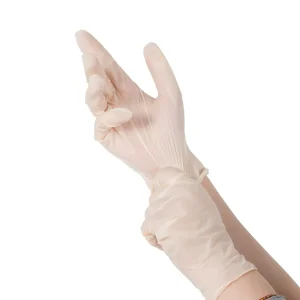
The manufacturing technology for sterile products is shifting away from powder-based formulations to polymer-coated, chlorinated, and low-allergen synthetic matrices. Traditional latex models face structural challenges due to Type I allergies caused by natural rubber proteins. Consequently, leading sterile glove manufacturers are heavily investing in nitrile and polychloroprene (neoprene) synthetic blends, which optimize tactile sensitivity, chemical permeation resistance, and puncture durability without compromising barrier integrity.
Sterility is guaranteed through optimized sterilization protocols. Ethylene Oxide (EO) gas sterilization and Gamma irradiation are the industry standards. EO sterilization requires highly controlled validation cycles to balance microbial elimination with gas residue dissipation, keeping levels below regulatory thresholds. Modern factories utilize automated gas aeration chambers to accelerate this desorption phase, achieving compliant, biocompatible finished products ready for immediate clinical use.
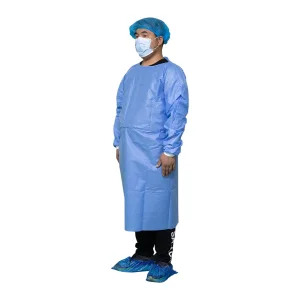
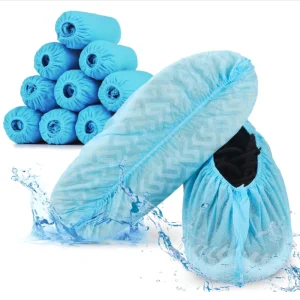
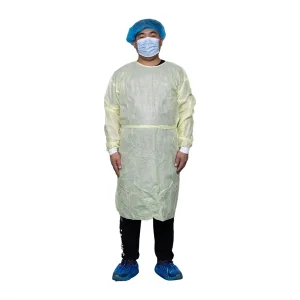
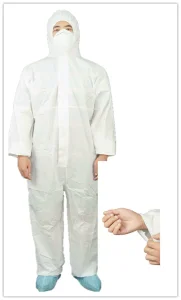
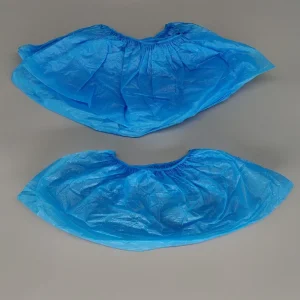
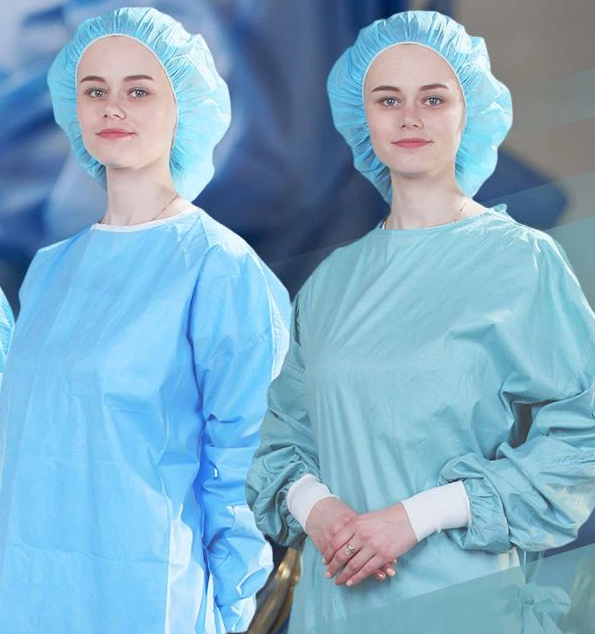
With over 20 years of experience providing high-quality hygiene and protection solutions across multiple industries, Hubei Bloc Medical Products Co Ltd has established a strong reputation for manufacturing nonwoven protective wear, surgical face masks, and CPE/PE shoe covers. We focus on delivering top-tier barrier products at highly competitive prices, ensuring reliable service in the Medical, Cleanroom, Food Processing, and Beauty Salon sectors.
As a global supplier, we are proud to maintain CE certifications, and our medical clothing and surgical masks comply with the Medical Device Regulation (EU) 2017/745 (MDR). Furthermore, we are registered with the U.S. Food and Drug Administration (FDA), showing our commitment to high global quality standards.
We operate three modern production plants in Hubei Province, employing over 500 skilled workers across 20,000m² of dust-free manufacturing space. This controlled environment minimizes particulate contamination, supporting our zero-contamination quality standard.
Our facilities are certified under ISO 9001:2015 and ISO 13485:2016. Every batch undergoes testing for pinholes, physical strength, and dimensional tolerance to verify compliance before shipment.
With an annual capacity exceeding 300 x 40HQ containers, we maintain a steady supply chain for international clients, helping minimize logistics disruptions and stock shortages.
For international buyers in medical, diagnostic, and cleanroom sectors, verifying a manufacturer's regulatory compliance is critical. A reliable factory must align with major global regulatory bodies to ensure product safety, liability mitigation, and legal market entry.
We work to deliver 100% satisfaction on every order. Our production lines use strict inspection protocols to target zero foreign substances and zero hair in our finished items.
Our manufacturing processes are highly flexible, allowing us to customize specifications based on customer-approved samples. If a batch does not meet the agreed quality criteria, we take full responsibility to resolve the issue.
In high-purity and hazard-prevention fields, protection demands vary by application. Choosing the correct sterile and non-sterile protective equipment helps organizations maintain biosafety, reduce contamination risks, and keep workers safe.
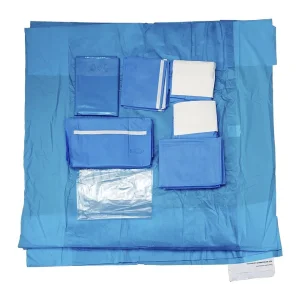
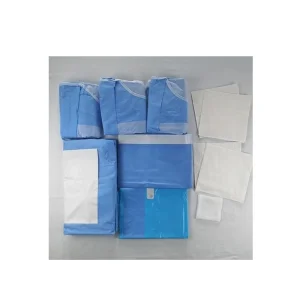
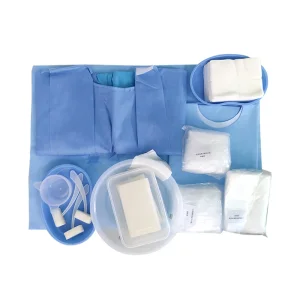
Medical & Surgical Environments: Operating rooms demand high levels of sterile barrier integrity. Surgical gloves require low Acceptable Quality Limits (AQL) for pinholes (typically AQL 1.5 or lower) and excellent tactile feedback. Specialized surgical packs, such as obstetric and C-section packs, combine multiple sterile barriers (drapes, gowns, covers) to establish a localized sterile field and prevent surgical site infections.
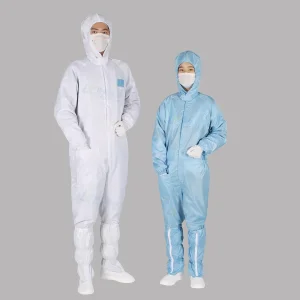
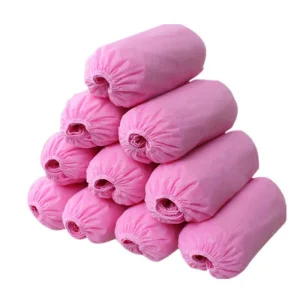
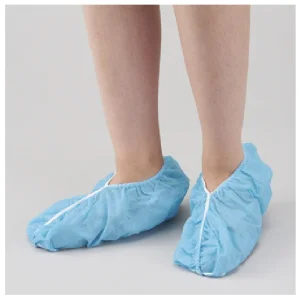
Cleanrooms & Microelectronics: In semiconductor fabrication and cleanroom environments, preventing human contamination is critical. Workers wear anti-static coveralls, cleanroom-compatible shoe covers, and low-particulate sterile protective wear to prevent electrostatic discharge (ESD) and skin flakes from damaging sensitive micro-circuitry.
Biotechnology & Pharma Production: Pharmaceutical cleanrooms require sterile protective wear that is resistant to chemical permeation, particularly for processes involving cytotoxic drugs and active pharmaceutical ingredients (APIs). Reliable material barriers protect operators from chemical exposure while maintaining the purity of the pharmaceutical batch.
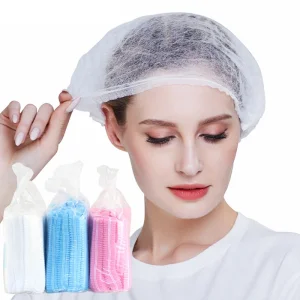
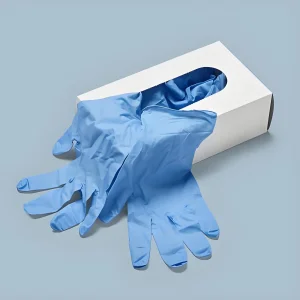
Food Processing & Beauty Services: High-throughput commercial food production and aesthetic clinics rely on food-safe, non-irritating nitrile and latex gloves, hairnets, and CPE protection to maintain sanitary standards, prevent cross-contamination, and meet regional public health laws.