Can I Wear Makeup Under a Medical Respirator?

Time:2026-11-07 Author:Madeline
0%

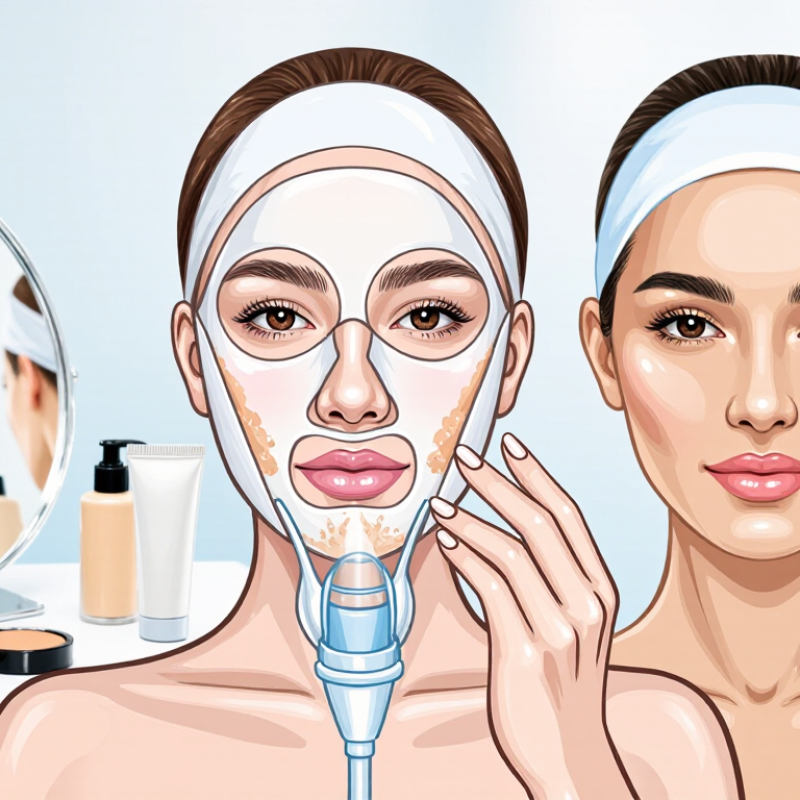
Can I wear makeup under a medical respirator? The safest answer depends on where the makeup sits and whether it affects the seal. Respiratory-protection researcher Lisa Brosseau, ScD, has emphasized that proper fit is essential to a respirator’s performance. Her guidance can be summed up plainly: keep the sealing surface clear. A small detail matters.

Foundation, concealer, or moisturizer beneath the respirator’s edge may leave a slick film on the skin. That can make the seal less reliable, especially around the nose and cheeks. Makeup inside the mask can also transfer onto the respirator, leaving visible residue after a long shift. If cosmetics stay well outside the sealing area, they may not affect fit—but every face and respirator design is different.

Before wearing makeup, check the respirator manufacturer’s instructions and follow your workplace’s fit-testing procedures. Put the respirator on, perform the recommended user seal check, and pay attention to gaps, slipping, or pressure changes. A mirror helps. So does a careful recheck after movement. If the respirator no longer seals properly, remove makeup from the contact area and reassess the fit. Do not assume that a product labeled “lightweight” or “non-comedogenic” is safe beneath the seal; those labels do not confirm respirator compatibility. The practical goal is not a perfect complexion. It is a stable, verified seal.
Can I Wear Makeup Under a Medical Respirator?

What a Medical Respirator Is and How Its Face Seal Works

A medical respirator is a tight-fitting device designed to filter airborne particles. Unlike a loose surgical mask, it must sit closely against the face. Its face seal is the contact area around the nose, cheeks, and chin. Air should pass through the filter, not leak around the edges.

That seal depends on your face and how the respirator is worn. Straps hold it in place, while a nosepiece helps shape the upper edge. A fit test checks whether a particular model and size seals adequately for the wearer. Each time you put it on, follow its instructions and perform a user seal check. Small gaps matter. Facial hair beneath the seal can disrupt contact.

Makeup beneath the sealing edge may also affect fit, especially if it is oily, thick, or likely to rub off. A thin layer can still transfer onto the respirator. That detail is easy to miss. Makeup away from the seal, such as eye makeup, does not usually touch the contact area, but workplace rules may differ. If you need a respirator for work, follow your respiratory protection program and ask the safety professional about cosmetics. Avoid applying creams or foundation where the respirator presses against your skin. After wearing it, check for smudged makeup along the seal; it can show where the device moved, though it cannot confirm a proper fit.

Can I Wear Makeup Under a Medical Respirator?

OSHA Quantitative Fit-Test Fit-Factor Criteria

These are OSHA fit-factor criteria for quantitative fit testing—not measurements of makeup’s effect on a seal. Makeup or other residue where the respirator seals may interfere with fit. Keep the sealing area clean, and use the respirator only as instructed and after the required fit test.

How Makeup Can Interfere With Respirator Fit

Medical respirators depend on a close seal against the face. Makeup can interfere when it sits beneath the sealing edge, where the respirator presses against skin. Foundation, concealer, and tinted moisturizers may leave a slick or uneven surface. The mask can shift slightly as you talk, smile, or turn your head. A gap may be difficult to notice.

Small details count. Before wearing a respirator, keep the seal area clean and dry, and follow your workplace’s fit-testing and respirator instructions. Avoid applying creams or makeup where the respirator touches your face. Put the respirator on carefully, then perform the user seal check described in its instructions. That check helps identify leaks, but it does not replace a fit test. Makeup outside the seal may be less likely to affect fit, yet it can transfer when the respirator is handled or moved. This is easy to overlook. If the respirator feels loose, shifts repeatedly, or leaks during a check, remove it and address the fit before relying on it.

Which Makeup Products May Affect the Seal

Can I Wear Makeup Under a Medical Respirator?

Which Makeup Products May Affect the Seal

Oils and emollients in primer, foundation, sunscreen, and face creams can leave a slick film where the respirator touches skin. That film may interfere with a close seal, especially along the nose bridge, cheeks, and chin. Powder can also collect at the edge or transfer when the mask shifts. Small amounts matter. Makeup-specific research is limited, so the exact effect varies by product, skin, and respirator fit.

OSHA’s Respiratory Protection Standard, 29 CFR 1910.134, Appendix A, sets a minimum quantitative fit factor of 100 for tight-fitting half-mask respirators. This is a fit-test threshold, not a measurement of makeup’s effect. A respirator that passed a fit test may still need a seal check each time it is worn. Fit is individual. A clean, dry seal area is the cautious choice, even when the evidence is incomplete.

Tips: Keep skincare and makeup away from the facepiece’s sealing edge. If product gets there, gently clean and dry your skin before wearing the respirator. Perform the user seal check each time; if you cannot get a seal, do not rely on that fit. A bit inconvenient, yes—but worth noticing.

How to Check the Seal Before Wearing a Respirator

Can I Wear Makeup Under a Medical Respirator?

How to Check the Seal Before Wearing a Respirator

Makeup may be worn away from the respirator’s sealing surface, but avoid foundation, sunscreen, or other products beneath the facepiece edge. Creams and oils can leave skin slippery, while makeup may transfer onto the respirator. A small smudge is not proof of a leak, but a reliable seal matters more than appearance. Keep the skin where the respirator touches clean and dry.

Check the respirator each time you put it on. Follow its instructions, because seal-check steps differ by design. Center the facepiece, place the straps as directed, and shape the nosepiece if it has one. Then perform the specified user seal check, often by gently breathing in or out while feeling for air leaks around the edges. No gaps should be felt. If air escapes near your nose or cheeks, reposition the respirator and check again. Don’t improvise with tape or extra products.

A user seal check is not a substitute for fit testing, which is needed to confirm a suitable model and size. If you cannot get a seal, do not rely on that respirator for protection in a hazardous setting. Facial hair under the sealing edge can also disrupt contact. It’s easy to focus on the makeup; the fit deserves more attention.

Ways to Wear Makeup More Safely With a Respirator

A respirator works only when its edges seal against clean, dry skin. Makeup beneath the sealing area may interfere with that contact or leave residue. Keep foundation, concealer, and moisturizer away from the parts of your cheeks, nose, and chin touched by the respirator. A bare strip of skin matters more than a perfectly even base.

For makeup elsewhere, use a light layer and let skincare dry fully before putting on your respirator. Cream products may transfer less than loose powders, but neither should reach the seal. Wash your hands before adjusting the respirator, and avoid touching your face during wear. Small details count. Check the respirator’s instructions, and perform the recommended seal check each time you put it on. Makeup cannot compensate for a poor fit.

If the respirator shifts, feels loose, or leaves visible product along its edge, remove it safely and reassess the fit. Do not add makeup over the sealing area to hide marks. After use, follow the respirator’s care instructions; some models are disposable and should not be washed. This routine can feel fussy, especially on rushed mornings. It may take a few tries to find a comfortable makeup approach, and protecting the seal should come first.

FAQS

What is a medical respirator’s face seal?

It is the contact area around your nose, cheeks, and chin. Air should pass through the filter, not leak around the edges.

Can makeup affect a respirator’s fit?

Yes. Foundation or concealer beneath the edge may interfere with contact or leave residue. Small gaps matter.

Where should I avoid applying makeup?

Keep makeup and moisturizer off the skin touched by the respirator. A bare strip across your cheeks, nose, and chin helps.

Is eye makeup usually a problem?

Eye makeup usually stays away from the sealing area. Workplace rules may differ, so check your respiratory protection program.

What should I do before putting on a respirator?

Let skincare dry fully and wash your hands. Follow the respirator’s instructions and perform its recommended seal check each time.

Can makeup make a poor fit acceptable?

No. Makeup cannot compensate for a poor fit. A fit test checks whether a particular model and size seal adequately for you.

What if the respirator shifts or makeup appears along its edge?

Remove it safely and reassess the fit. Smudges can show movement, but they cannot confirm a proper seal.

Can I wash my respirator after wearing it?

Follow its care instructions. Some models are disposable and should not be washed. It can feel fussy on rushed mornings.

Conclusion

Can I wear makeup under a medical respirator? It may be possible, but makeup must not interfere with the respirator’s close contact with the face. A medical respirator relies on a secure seal around the nose and mouth to help filter inhaled air. Products that leave an oily, slippery, or thick layer—such as foundation, creams, or sunscreen—may affect that seal, especially where the respirator touches the skin.

Before wearing a respirator, make sure your face and the seal area are clean and dry, then perform the seal check described in the respirator’s instructions. If you notice air leaking, adjust the respirator or remove products from the contact area and check again. For a safer approach, keep makeup light and away from the seal, and avoid anything that causes the respirator to shift or feel less secure. When in doubt, prioritize a reliable fit over wearing makeup.

Madeline

Madeline

Madeline is a dedicated marketing professional with a wealth of expertise in our company's core offerings. With a keen understanding of the industry, she brings a unique perspective to her role, consistently delivering high-quality content that highlights the superior aspects of our products. As......