Bloc Medical
When considering the question, "Can I wash and reuse disposable coveralls?", it's essential to weigh safety and effectiveness. Many people depend on disposable coveralls for various tasks, from painting to medical procedures. These coveralls provide a layer of protection against contaminants. However, the question of their reusability raises concerns.
Disposable coveralls are designed for single use. Washing them may compromise their integrity. Cleaning could lead to the breakdown of the fabric. This can result in reduced protection against spills or exposure. Users should recognize this risk when contemplating washing.
Some may think they can simply wash and reuse these garments to save money or reduce waste. Yet, the effectiveness of this approach is not guaranteed. Standard laundering processes may not eliminate all harmful substances. Factors such as the type of contaminants and washing conditions also play a role. Reflecting on the implications of this choice is crucial. It is vital to prioritize safety over cost-saving measures. Thus, making an informed decision about disposable coveralls requires careful thought.
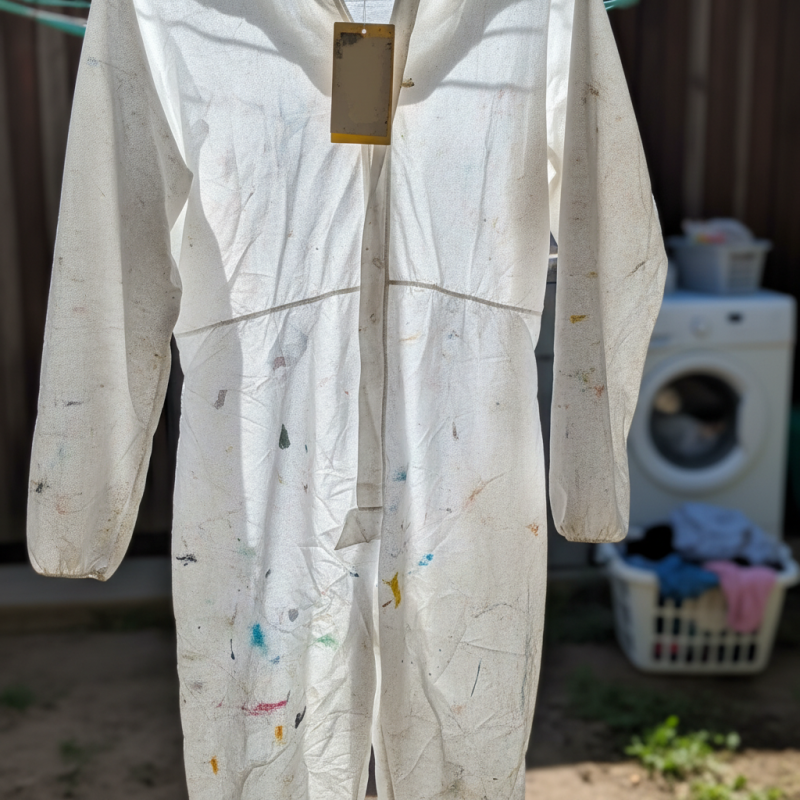
Disposable coveralls are designed primarily for protection in various environments. They are often made from materials like polypropylene or SMS (spunbond-meltblown-spunbond) fabric. These fabrics are lightweight, breathable, and provide a barrier against dust, splashes, and contaminants. According to market research, the global disposable protective clothing market was valued at approximately $6.6 billion in 2020 and is expected to grow significantly, reflecting the increasing need for safety in various industries.
While disposable coveralls are meant for singular use, their composition raises questions about washing and reusability. Many users feel compelled to wash these garments to save costs. However, washing can compromise the integrity of the protective barrier. A study from the International Safety Equipment Association (ISEA) indicates that repeated laundering can reduce the effectiveness of these materials significantly. In practical terms, while some might think they can wash coveralls once or twice, even one wash could diminish the protective quality drastically.
Industry professionals suggest evaluating each situation critically. Depending on the specific use case, it may be tempting to reuse coveralls after washing, but the risk of exposure to hazardous materials remains. It's important to weigh safety against cost savings. In many cases, the loss of protective capabilities could have serious consequences.
Disposable coveralls serve as critical barriers against contaminants. However, their contamination poses serious health risks. Studies indicate that contaminated coveralls can harbor harmful pathogens. A report from the Centers for Disease Control and Prevention (CDC) highlights that many contaminants can survive on fabric for prolonged periods. This extends the risk of transmission in healthcare and industrial settings.
When using disposable coveralls, the risk of reusing them must be carefully considered. The World Health Organization (WHO) emphasizes that improper handling and reuse can lead to infections. For instance, over 30% of healthcare workers reported skin irritations after exposure to contaminated gear. This highlights the potential dangers posed by reusing items not designed for cleaning.
Current guidelines recommend using coveralls as single-use items. Despite environmental concerns, the safety of individuals must take precedence. Data shows that adequately disposed coveralls significantly lower contamination risks. It is essential to reflect on the practices that might compromise safety. The tendency to reuse disposable items can lead to dangerous outcomes. Understanding these risks is crucial for maintaining health and safety standards.
When it comes to washing and reusing disposable coveralls, safety is paramount. Industry reports indicate that improper washing can compromise protective gear’s integrity, leading to potential exposure to harmful substances. According to the American National Standards Institute (ANSI), coveralls are designed for single use in high-risk environments. Reusing them without proper cleaning can defeat their purpose.
To wash coveralls safely, start with a gentle detergent to avoid harsh chemicals that may degrade the material. Use cold water to help maintain the fabric’s structural integrity. While it may be tempting to wash them alongside regular laundry, consider setting aside a separate load to reduce contamination risk. Instant sanitization can be achieved with a diluted bleach solution, but always check for fabric compatibility.
Tips: Always inspect coveralls for any signs of damage or wear before washing. A small tear can severely limit their effectiveness. Additionally, drying coveralls in a well-ventilated area outdoors can reduce the risk of lingering contaminants. It’s essential to reflect on the frequency of reuse and ensure each method aligns with safety guidelines. Regular scientific studies show that repeated washing can significantly decrease the protective qualities of the fabric over time.
| Guideline | Description | Cautions | Effectiveness |
|---|---|---|---|
| Check Material | Ensure coveralls are made of machine-washable materials. | Some materials may degrade in water. | High effectiveness with suitable materials. |
| Use Gentle Detergents | Opt for mild, non-toxic detergents to prevent damage. | Harsh chemicals can weaken fibers. | Maintains fabric integrity effectively. |
| Avoid Bleach | Bleach can degrade the fabric and affect protective qualities. | Increased risk of material breakdown. | Low effectiveness; may damage the coveralls. |
| Machine Wash Cold | Wash in cold water to preserve fabric technology. | Hot water can shrink fabric and reduce protection. | Very effective in protecting integrity. |
| Air Dry | Hang coveralls to dry instead of using a dryer. | Heat from a dryer can damage fibers. | Highly effective in prolonging lifespan. |
| Assess Condition | Inspect for tears or wear before reuse. | Compromised coveralls can pose risks. | Essential for safety effectiveness. |
When it comes to washing and reusing disposable coveralls, industry standards play a crucial role. Personal protective equipment (PPE) must be sanitized properly. Many facilities follow strict guidelines to ensure worker safety. However, the sanitization process can vary significantly based on the material used. It is essential to know the appropriate methods for each type.
Not all coveralls are designed for multiple uses. Some are made to withstand harsh environments but may lose protective qualities after washing. Washing can degrade fabrics, leading to compromised safety. It's important to identify if the manufacturer suggests any cleaning methods that maintain integrity. Many guidelines emphasize the need for thorough inspection post-cleaning.
Despite advancements in PPE sanitization, certain aspects remain uncertain. The efficiency of home washing versus professional services is still debated. Each method has its pros and cons. Individuals should weigh these options carefully. Are they ensuring their own safety? It's a question worth pondering for every professional who uses these protective garments regularly.
Disposable coveralls are designed for single-use, primarily to protect against hazardous substances. When considering washing them for reuse, one must be cautious. The effectiveness of these garments can diminish significantly with each wash. Protective barriers may degrade, and contaminants can remain trapped in the fabric.
Washing can change the material's integrity. Some fabrics may lose their ability to repel fluids and particles. If not cleaned properly, there is a risk of cross-contamination. Observing the manufacturer's guidelines is crucial but often overlooked. Many do not specify safe washing methods or limits on reuse. This ambiguity can lead to unexpected risks.
While some claim to have successfully reused coveralls, the variability in washing machines and detergents raises questions. A thorough examination of your washing process might reveal flaws. Each wash cycle could potentially compromise the protective qualities of the coveralls. Therefore, consider the implications carefully. Reuse might seem practical, but it’s essential to weigh convenience against safety.
: They are often made from materials like polypropylene or SMS fabric.
They provide protection against dust, splashes, and contaminants in various environments.
Washing can compromise their protective barrier and reduce effectiveness significantly.
Even one wash could drastically diminish their protective quality.
Inspect for any signs of damage or wear, as small tears can limit effectiveness.
Use a gentle detergent and cold water to maintain the fabric’s integrity.
It's better to set aside a separate load to reduce contamination risk.
A diluted bleach solution can achieve instant sanitization if fabric compatibility is checked.
Improper washing can expose users to harmful substances and defeat their purpose.
Drying in a well-ventilated outdoor area can reduce the risk of lingering contaminants.
The article "Can I Wash and Reuse Disposable Coveralls Safely?" examines the composition and intended uses of disposable coveralls, highlighting their role in protecting against contaminants in various environments. It addresses the health risks associated with contaminated coveralls and emphasizes the importance of understanding how to wash and reuse them safely.
Guidelines are provided to ensure effective sanitization while maintaining compliance with industry standards for personal protective equipment (PPE). The article also discusses the potential impact of reuse on the protective performance and lifespan of coveralls. Ultimately, it serves as a resource for individuals and organizations considering the safe washing and reuse of disposable coveralls, reassuring them that with proper precautions, it is possible to do so responsibly.
