How to Understand OSHA Requirements for Workplace Respirators?

Time:2026-07-02 Author:Sienna
0%

Understanding OSHA requirements for workplace respirators is crucial for ensuring employee safety. Dr. Emily McKenzie, an expert in occupational health, states, “Compliance with OSHA regulations can make the difference between a safe work environment and serious health risks.” This underscores the importance of knowing what these requirements entail.

What are the OSHA requirements for workplace respirators? These guidelines aim to protect workers from airborne hazards. The specific requirements include proper respirator selection, training, and fit testing. Failure to comply can lead to severe consequences for both workers and employers.

In many workplaces, respirators are essential. Yet, understanding the details can be overwhelming. Companies often overlook the necessity of regular training. This can lead to inadequate protection for workers. Questions arise: Are employees fully aware of their rights? Are the risks they face properly communicated? Addressing these concerns is essential for fostering a culture of safety.
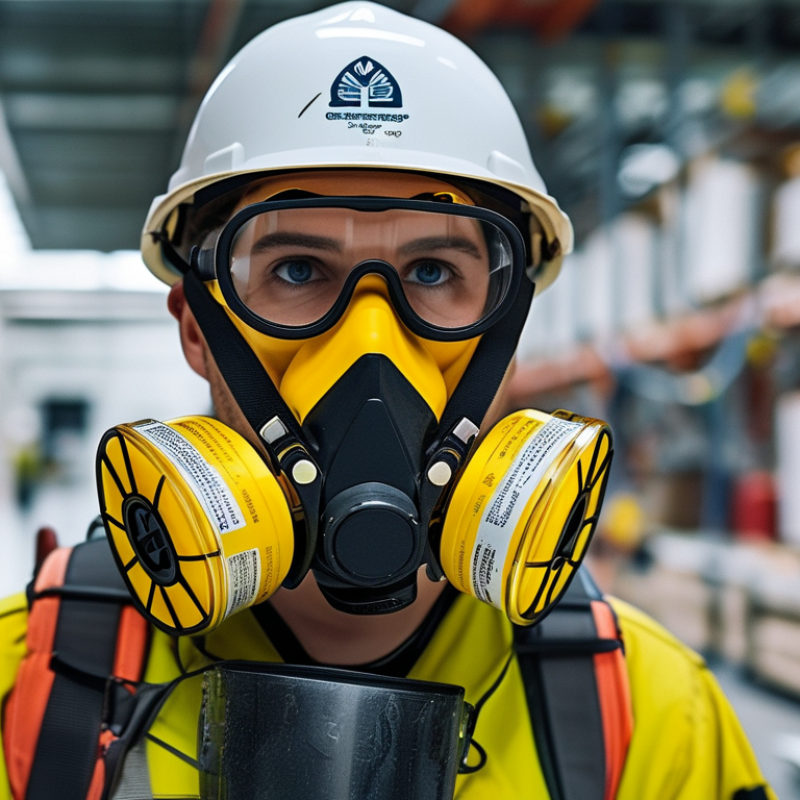
How to Understand OSHA Requirements for Workplace Respirators?

Overview of OSHA Respiratory Protection Standards

Understanding OSHA respiratory protection standards is crucial for workplace safety. These standards ensure that workers are protected from harmful airborne contaminants. OSHA requires employers to assess the respiratory hazards present in their workplace. This evaluation is not always straightforward. Some workplaces have multiple hazards, making it challenging to determine the right protection.

Employers must implement a written respiratory protection program. This program should detail the selection of respirators, training, and maintenance protocols. Training is not a one-time event. It must be regular to ensure workers understand how to use respirators effectively. Awareness of potential failures in the program is vital. Regular assessments can help identify gaps. These assessments often reveal that employees may not use their respirators properly.

Compliance with OSHA standards isn't just about following rules. It's about fostering a safe work environment. Employers should actively engage with workers about respirator usage. Collecting feedback can highlight areas needing improvement. A culture of safety should encourage workers to voice concerns. This dialogue can prevent accidents and enhance overall health.

Understanding OSHA Requirements for Workplace Respirators

Types of Respirators: Understanding the Different Categories

When discussing workplace respirators, it's crucial to understand the various types available. Respirators are essential in protecting employees from harmful airborne contaminants. Generally, they fall into two main categories: air-purifying respirators (APRs) and atmosphere-supplying respirators (ASRs). APRs filter out harmful particles, while ASRs provide breathable air from a separate source.

When selecting a respirator, prioritize fit testing. A well-fitted respirator ensures maximum protection. Different jobs may require different types. For instance, construction workers may need respirators for dust and particles. In contrast, healthcare workers might require those that filter out biological agents. Understanding your workplace hazards is vital in choosing the right type.

Tips for choosing respirators: Always consult safety data sheets to identify potential air quality issues. Involve employees in training for proper use and maintenance of respirators. Regularly evaluate respirator effectiveness within your organization. This proactive approach helps ensure safety and compliance with OSHA regulations.

Employer Responsibilities Under OSHA for Respirator Use

Employers must prioritize worker safety by understanding OSHA requirements for respiratory protection. The Occupational Safety and Health Administration (OSHA) outlines clear responsibilities regarding respirator use in the workplace. First, employers must perform a thorough hazard assessment. This assessment identifies potential respiratory hazards in the work environment and helps in determining the type of respirator needed. Each employee exposed to harmful substances must have appropriate protection.

Next, employers are required to provide training on proper respirator use. This includes how to wear, maintain, and store the equipment correctly. Workers must understand the limitations of the respirators they use. Additionally, regular fit testing is vital. This ensures that each respirator fits properly, forming a secure seal. Employers should also establish a respiratory protection program. This program should include procedures for medical evaluations and regular inspections.

It's essential to document all training and safety procedures. This creates accountability. If an incident occurs, having records can be crucial in assessing compliance with OSHA guidelines. Reflecting on these elements highlights that many companies overlook training, while others may not adequately assess hazards. Understanding these responsibilities is a step toward creating a safer workplace. Employers must commit to ongoing improvement in their safety programs, actively seeking feedback and adjusting policies as necessary.

Training Requirements for Employees Using Respirators

Effective training is essential for employees using respirators in the workplace. Understanding how respiratory protection works can significantly reduce hazards. According to the Occupational Safety and Health Administration (OSHA), proper training ensures employees know when and how to use respirators effectively. Roughly 20% of workplace injuries relate to airborne contaminants.

Training should cover both the correct usage and maintenance of respirators. Employees must learn how to fit and adjust their masks properly. A study by the National Institute for Occupational Safety and Health (NIOSH) noted that proper fitting can enhance protection by nearly 99%. Recognizing the types of respirators and their specific applications is crucial.

However, issues arise with inadequate training programs. A significant percentage of employees report limited understanding of specific respiratory hazards. In some cases, they feel unprepared to respond to emergencies requiring respirator use. Employers must continuously evaluate training effectiveness to address these gaps.

Ongoing education is necessary as workplace conditions and regulations evolve. This commitment will not only enhance safety but also empower employees to protect themselves effectively.

Regular Maintenance and Inspection Procedures for Respirators

Regular maintenance and inspection of workplace respirators are vital for employee safety. These procedures ensure that respirators function correctly and provide adequate protection against airborne hazards. Weekly checks can help prevent issues that may arise over time, such as deterioration and malfunction. Keeping a detailed log of inspections can identify patterns that require attention.

It's essential to inspect the respirator before each use. Look for cracks in the facepiece or worn-out straps. Check the filters for damage or obstructions. If anything seems off, do not use the respirator. Often, minor issues can lead to significant problems later.

Tips: Always replace filters according to the manufacturer’s guidelines. Educate employees on proper care and handling. Training should include recognizing when a respirator fails. Encourage a culture where workers report any concerns they may have about their respiratory protection. This proactive approach helps maintain a safer working environment.

FAQS

: What are OSH

respiratory protection standards?

Why do employers need to assess respiratory hazards?

Evaluating hazards helps determine appropriate protection for workers, but it can be complex.

What should a respiratory protection program include?

It should detail respirator selection, training, and maintenance protocols for effective safety.

How often should training for respirator use occur?

Training must be regular to ensure employees understand how to use respirators properly.

What is a common issue with employee training on respirators?

Many employees report inadequate understanding of respiratory hazards and proper use.

Why is employee feedback important in safety programs?

Feedback helps identify improvement areas, fostering a culture of safety and open dialogue.

What could happen if employees do not use respirators properly?

Improper use may lead to increased respiratory injuries from airborne contaminants.

How can employers evaluate their training programs effectively?

Regular assessments reveal gaps in employee understanding and improve ongoing education.

What can enhance protection when using respirators?

Proper fitting and adjustment of masks can enhance protection significantly.

What should workers feel empowered to do regarding their safety?

Workers should voice concerns and seek clarity on respiratory hazards and protection needs.

Conclusion

Understanding OSHA requirements for workplace respirators is crucial for maintaining a safe work environment. The Occupational Safety and Health Administration (OSHA) has established rigorous respiratory protection standards to ensure that employees are protected from harmful airborne contaminants. These standards encompass various categories of respirators, which include filtering facepieces, half masks, and full-face masks, each designed for specific applications based on the level of respiratory risk.

Employers hold significant responsibilities under OSHA, including selecting appropriate respirators, providing necessary training for employees, and ensuring that regular maintenance and inspection procedures are followed. Training equips workers with the knowledge to use respirators effectively, while maintenance ensures their reliability and functionality. By adhering to these OSHA requirements, employers not only comply with legal standards but also foster a culture of safety and health in the workplace.

Sienna

Sienna

Sienna is a skilled marketing professional with a deep expertise in our company’s core products and services. With a passion for innovation and detail, she plays a pivotal role in crafting insightful blog posts that not only highlight the unique features of our offerings but also provide valuable......