What Is the Shelf Life of Sterile Surgical Packs 7 Tips?

Time:2026-09-14 Author:Charlotte
0%

What is the shelf life of sterile surgical packs? The answer is less simple than a printed date. In many healthcare settings, sterility depends on packaging integrity, storage conditions, handling, and contamination events. William A. Rutala, PhD, MPH, a recognized infection-prevention expert, stated, “Sterility is event-related and not time-related.” That principle remains important, but it should not replace the manufacturer’s instructions or facility policy.

A sterile pack stored on a clean, dry shelf may remain usable when its package is intact. A torn corner, crushed seal, moisture mark, dust buildup, or missing label changes the decision. Even careful staff can overlook small damage during busy shifts. That is why this guide examines seven practical tips for evaluating sterile surgical packs before use.

The process includes checking expiration dates, inspecting wrappers, controlling storage conditions, rotating inventory, and limiting unnecessary handling. It also considers event-related contamination and documented sterilization procedures. These details matter in operating rooms, procedure areas, dental clinics, and central sterile departments.

No single number fits every pack. That is the uncomfortable part. Some facilities still rely heavily on dates, while others apply event-related shelf-life policies. Both approaches require evidence, training, and consistent documentation. When uncertainty remains, the safer action is to quarantine the pack and consult the infection-prevention or sterile-processing team. A clean appearance alone is not proof of sterility. Practical judgment must support, not replace, validated procedures.
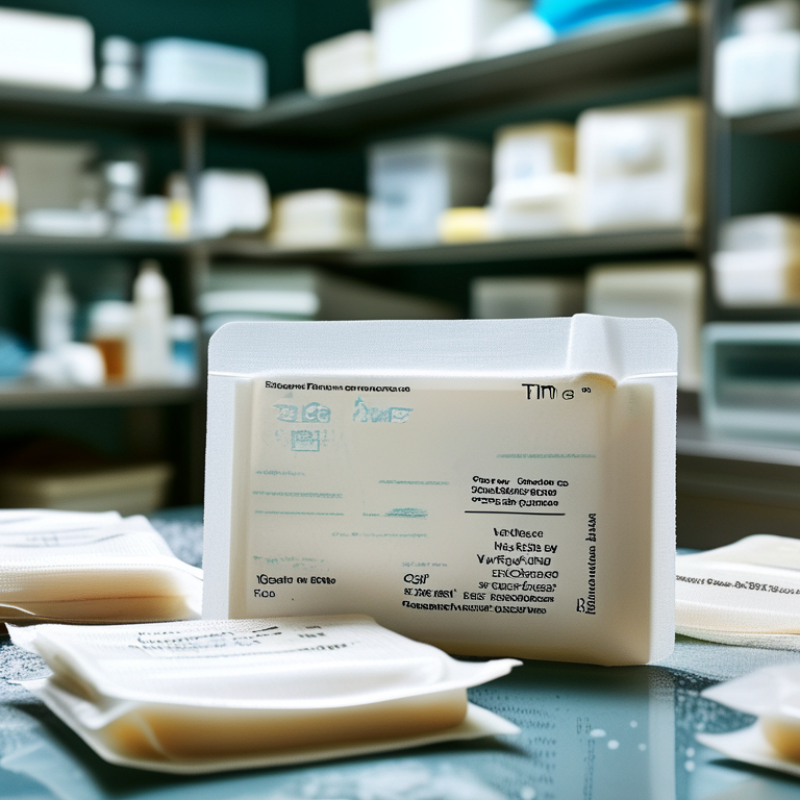
What Is the Shelf Life of Sterile Surgical Packs 7 Tips?

What Shelf Life Means for Sterile Surgical Packs

What shelf life means for sterile surgical packs is more complex than a printed date. It describes how long sterility is expected to remain intact under validated conditions. The date matters, but packaging condition matters just as much. A sealed pack may remain usable when stored correctly, while a damaged pack may be unsafe before its stated date.

Seven practical checks can reduce uncertainty. Follow the manufacturer’s instructions and facility policy. Inspect every wrapper for tears, punctures, moisture, stains, or broken seals. Check that labels remain readable. Store packs in a clean, dry cabinet away from sinks, windows, dust, and heavy traffic. Keep heavier items below lighter ones to prevent crushing. Rotate stock so older packs are assessed first. Remove any pack that has fallen, become wet, or shows unusual damage.

A clean shelf can still hide a problem. Sterile packs should be handled with dry hands and opened only near the procedure area. Avoid compressing them into crowded drawers. Many facilities use event-related shelf life, while others apply a fixed expiration date. Neither approach replaces inspection. A printed date is not permission to ignore a damaged wrapper. When the packaging looks questionable, do not guess; follow the approved reprocessing or disposal process and ask a qualified infection-prevention professional. Storage records also deserve attention. They may reveal temperature, humidity, or handling problems before a clinical incident occurs. No system is perfect, and that is worth remembering.

How Sterility Is Maintained During Storage

Sterile surgical packs do not have one universal expiration date. AAMI ST79 explains that sterility is event-related, meaning packaging remains sterile until damage, moisture, handling, or another event occurs. Storage conditions therefore matter more than a printed date alone. Keep packs in a clean, dry, temperature-controlled room. Avoid sinks, windows, floor-level shelves, and crowded carts. Keep it dry.

Seven practical controls protect sterility: inspect every wrapper, separate damaged packs, rotate stock, limit handling, maintain closed cabinets, document environmental checks, and reprocess questionable items. CDC guidance recommends protecting sterile supplies from dust, moisture, insects, and unnecessary handling. A torn corner, crushed seal, wet wrapper, or broken indicator should trigger quarantine. Do not guess.

The CDC’s 2022 National Healthcare Safety Network report recorded 1 in 31 hospital patients with at least one healthcare-associated infection on a given day. That figure reinforces why storage discipline is not cosmetic. Staff should use clean hands and avoid placing packs on unclean surfaces, even briefly. AORN guidance also supports checking package integrity before use and following facility-approved storage procedures. In practice, visual inspections can be inconsistent, especially during busy shifts. That weakness deserves attention. Temperature and humidity logs help, but they cannot repair careless handling. When local policy sets a shorter shelf life, follow it. When uncertainty remains, remove the pack from service and seek sterile-processing review.

What Is the Shelf Life of Sterile Surgical Packs 7 Tips? - How Sterility Is Maintained During Storage

Tip Storage Dimension Recommended Practice Control Target or Data Point How It Protects Sterility
1 Use an approved shelf-life policy Follow the sterilizer, packaging-system, and healthcare-facility instructions. Do not assign one universal expiry period to every pack. Shelf life is either event-related or date-related, depending on the validated process and local policy. Packaging materials, sterilization methods, storage conditions, and handling practices all affect the time a pack can remain sterile.
2 Inspect packaging before storage Check seals, wraps, pouches, labels, indicators, and corners for tears, punctures, moisture, or incomplete closure. Any wet, torn, open, punctured, or visibly contaminated pack should be removed from sterile stock. A damaged or wet barrier can allow microorganisms or contaminants to reach the contents, regardless of the printed date.
3 Control the storage environment Keep packs in a clean, dry, temperature-controlled area away from sinks, plumbing, direct sunlight, dust, and chemical fumes. Maintain the environmental limits defined by facility policy and packaging instructions; avoid condensation and excessive heat or humidity. Moisture, heat, dust, and chemicals may weaken packaging materials or increase the risk of contamination during storage.
4 Store packs off the floor Use clean, enclosed or protected shelving. Keep packs away from walls, ceiling fixtures, and areas exposed to splashing or traffic. Use the minimum clearance required by local regulations and facility procedures; never place sterile packs directly on the floor. Protected shelving reduces exposure to water, dust, impact, pests, and accidental contact that can compromise the sterile barrier.
5 Minimize handling and compression Handle packs with clean, dry hands. Avoid overstacking, crushing, dragging, folding, or placing heavy items on top. Reinspect packs after relocation, dropping, compression, or other physical handling events. Repeated handling and pressure can create microscopic tears, seal failures, or abrasion that may not be visible at first glance.
6 Rotate inventory systematically Use first-expire, first-out for date-labeled supplies and keep sterilization or processing records traceable. Record processing date, load identification, pack description, operator or department, and any assigned expiry date. Traceability supports timely recall, investigation, and removal of packs affected by processing or storage problems.
7 Apply event-related sterility principles Treat a pack as potentially compromised after a defined event, such as a wet load, torn wrap, broken seal, dropped pack, or suspected contamination. Reprocess or replace the pack when package integrity, cleanliness, or processing records cannot be confirmed. Sterility is maintained while the validated barrier remains intact and the pack is protected from contamination; time alone does not repair damage.
Important: There is no single universal shelf-life period for all sterile surgical packs. Use the product instructions, validated packaging process, documented facility policy, and applicable local requirements. If a pack is wet, torn, punctured, open, dirty, or otherwise compromised, it should not be used as sterile.

Factors That Can Shorten a Pack’s Shelf Life

What Is the Shelf Life of Sterile Surgical Packs? 7 Tips

Sterile surgical packs rarely fail because of age alone. AAMI ST79 supports event-related shelf life, meaning sterility depends on packaging, storage, and handling. The FDA also emphasizes package integrity as a key control. A torn wrapper, crushed corner, or broken seal can expose the contents immediately. Moisture is another quiet threat. Wet shelves, condensation, and damp transport conditions can weaken paper-plastic barriers. In practice, a clean shelf can still hide a fragile package.

Tip 1: Store packs in closed, clean cabinets.
Tip 2: Keep them away from sinks, pipes, and exterior walls.
Tip 3: Avoid stacking heavy trays on soft packs.
Tip 4: Rotate supplies using first-expire, first-out procedures.
Tip 5: Inspect every pack before opening.
Tip 6: Remove packs with stains, dust, holes, or loose seals.
Tip 7: Limit unnecessary handling and repeated shelf movement.

The CDC reported that about one in 31 hospitalized patients had a healthcare-associated infection during its national prevalence survey. That figure does not prove poor packaging caused those infections. It does show why small process failures deserve attention. Temperature swings, pests, sunlight, and overcrowded storage can shorten practical shelf life. Staff should document damaged packaging and review storage conditions regularly. I would not rely on a printed date alone. Sometimes, the process needs questioning.

How to Inspect Packaging Before Use

A sterile surgical pack’s shelf life is not judged by appearance alone. It depends on packaging integrity, storage conditions, handling, and the validated instructions supplied with the pack. Before opening, inspect it under bright, clean lighting. This pause protects the sterile field. In practice, rushed checks create unnecessary risk. Still, every concern deserves attention.

Look for tears, punctures, open seams, crushed corners, or damp areas. Run your eyes across every seal. A lifted edge, broken adhesive line, or unusual gap may indicate contamination risk. Check the wrapper for dust, stains, fluid marks, and powdery residue. The pack should feel dry and intact, not soft, swollen, or unusually brittle. Do not use unclear labeling or a missing sterilization indicator. Confirm the item name, size, lot information, and expiry guidance against the procedure record.

Storage history matters. Packs kept near sinks, heaters, windows, or heavy traffic need closer review. If a package fell, became compressed, or got wet, remove it from service for assessment. Never smooth out a damaged wrapper and assume sterility remains. Follow facility policy and consult a qualified sterile processing or infection prevention professional when uncertain. Document repeated damage; it may reveal a storage problem rather than a shelf-life problem. Visual inspection is imperfect, especially with tiny seal defects. That limitation deserves honest attention.

Best Practices for Storing and Rotating Sterile Packs

What Is the Shelf Life of Sterile Surgical Packs? 7 Tips

Best Practices for Storing and Rotating Sterile Packs

Sterile packs do not have one universal expiry date. AAMI ST79 supports event-related sterility, provided packaging remains intact and storage conditions stay controlled. Check the pack’s instructions, facility policy, and sterilization records before use. Do not rely on appearance alone.

Store packs in clean, dry, enclosed shelving. Keep them away from sinks, vents, floors, and direct sunlight. Leave enough space between packages for inspection and airflow. Rotate stock using first-expire, first-out methods. Inspect every pack for tears, punctures, moisture, broken seals, or dust. Handle packs gently. Reprocess any questionable item.

The WHO Global Report on Infection Prevention and Control estimates that seven out of 100 acute-care patients in high-income countries acquire at least one healthcare-associated infection. The rate reaches 15 out of 100 in low- and middle-income countries. Storage is only one factor, not a proven single cause. The CDC’s 2022 National Healthcare-Associated Infections Progress Report recorded a 7% increase in central-line bloodstream infections from 2021. That finding deserves attention, but it does not prove poor pack storage caused those infections. In practice, I still see rushed inspections and overcrowded shelves. That is the weak point. Document temperature, humidity, damage checks, and stock rotation consistently. When conditions are uncertain, quarantine the pack and ask infection-prevention staff for a documented decision.

FAQS

Do sterile surgical packs have one universal expiration date?

No. Sterility depends on intact packaging and controlled storage conditions. Local policy may set a shorter shelf life. Follow it.

Where should sterile packs be stored?

Use clean, dry, enclosed shelving in a temperature-controlled room. Keep packs away from sinks, windows, vents, floors, and direct sunlight.

How much space should remain between stored packs?

Leave enough space for inspection and airflow. Crowded shelves make damage harder to notice. This is easy to overlook.

What packaging damage requires quarantine?

Quarantine packs with torn wrappers, punctures, crushed seals, moisture, dust, or broken indicators. Do not guess about their condition.

How should sterile stock be rotated?

Use a first-expire, first-out method. Check older packs before newer ones. Document rotation consistently.

How should staff handle sterile packs?

Use clean hands and handle packs gently. Avoid unnecessary movement. Never place them briefly on unclean surfaces.

What environmental information should be documented?

Record temperature, humidity, storage conditions, damage checks, and stock rotation. Logs help reveal problems but cannot repair careless handling.

What should happen when sterility is uncertain?

Remove the pack from service and quarantine it. Request a documented review from sterile-processing or infection-prevention staff. When unsure, stop.

Conclusion

What is the shelf life of sterile surgical packs? It is the period during which a pack is expected to remain sterile and safe for use when its packaging stays intact and storage conditions are properly controlled. Rather than relying only on a fixed date, healthcare staff should consider the condition of the package, handling history, and facility procedures. Sterility is maintained by protecting packs from moisture, dust, direct sunlight, excessive heat, and unnecessary contact.

Several factors can shorten shelf life, including torn or punctured wrapping, broken seals, wet packaging, compression, and frequent movement. Before use, inspect every pack for damage, stains, loose closures, or unclear labeling, and set aside anything questionable. Store sterile packs in a clean, dry, temperature-controlled area with limited traffic. Keep them off the floor, avoid overstacking, and organize supplies so older packs are used first. Regular inventory checks and careful stock rotation help reduce waste while supporting safe and consistent surgical preparation.

Charlotte

Charlotte

Charlotte is a seasoned marketing professional with a deep understanding of the company's portfolio and a passion for elevating its presence in the market. With a keen eye for detail and a commitment to excellence, she ensures that our professional blog is regularly updated with insightful articles......