Bloc Medical
When it comes to protective clothing, the choice between SMS fabrics and microporous coveralls often sparks debate. Many wonder, "Are SMS fabrics better than microporous for coveralls?" This question touches on crucial aspects of safety, comfort, and practicality. SMS (Spunbond-Meltblown-Spunbond) fabrics offer breathability while providing a reliable barrier against certain chemicals and particles. In contrast, microporous coveralls are known for their excellent liquid resistance, making them suitable for specific applications.
Understanding these materials' unique properties is essential. SMS fabrics are lightweight and comfortable for extended wear. However, their performance in extreme conditions can vary. On the other hand, microporous coveralls boast robust protection, but they may feel less breathable. It’s important to evaluate the specific needs of your work environment. This is where choosing the right material can significantly impact safety and comfort.
In conclusion, the question of which is better can't be answered definitively. Each material has its strengths and weaknesses. Reflect on your requirements carefully. The best choice ultimately depends on your specific needs and circumstances. Balancing these factors allows for safer and more effective protective clothing decisions.
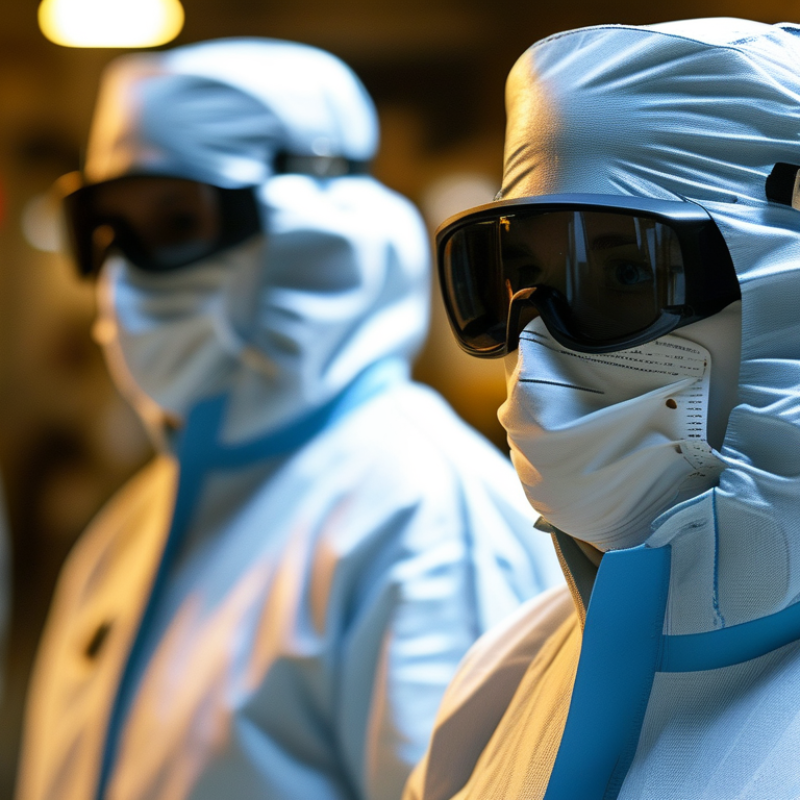
SMS fabrics, a combination of spunbond and meltblown materials, offer unique advantages for protective clothing. Their structure provides a barrier against liquid splashes, making them suitable for various industries. The breathability of SMS allows for comfort during long wear, reducing heat stress. Many workers appreciate this feature as it enhances focus and productivity. The lightweight nature of SMS fabrics also contributes to mobility, which is essential in dynamic work environments.
These benefits, however, come with considerations. While SMS fabrics are breathable, they may not be as durable against harsh environments compared to microporous coveralls. Users should reflect on their specific needs. For example, those in more demanding conditions may question if SMS is sufficient protection. Additionally, the cost-effectiveness of SMS should be evaluated in the context of use frequency and the level of protection required. Understanding these factors helps in making an informed choice that balances comfort and safety.
Microporous coveralls are designed to provide a balance between breathability and protection. By utilizing a microporous film, these coveralls allow moisture vapor to escape while preventing liquid penetration. This feature is essential for workers in industries such as construction, healthcare, and chemical handling. A study published in the Journal of Occupational Health emphasizes that microporous materials can reduce heat stress while maintaining a barrier against harmful substances.
The durability of microporous coveralls is noteworthy. They can withstand various stressors like abrasion and tearing, making them suitable for rugged environments. Moreover, they are lightweight, contributing to comfort over prolonged use. According to a report by the National Institute for Occupational Safety and Health, more than 40% of workers reported wearing uncomfortable personal protective equipment. Microporous coveralls address this issue, fostering better compliance among workers.
However, there are limitations to consider. While they provide excellent fluid resistance, microporous coveralls may not offer the same level of chemical protection as other options, like SMS fabrics. Additionally, their effectiveness can diminish over time, especially when exposed to harsh conditions. It is crucial for organizations to assess the specific risks involved and choose the appropriate protective gear accordingly. Balancing comfort, protection, and durability remains a continual challenge in workplace safety.
This chart compares SMS Fabrics and Microporous Coveralls across two key characteristics: Protection Level and Breathability. The data suggests that Microporous Coveralls generally offer better protection and breathability compared to SMS Fabrics, making them more suitable for certain applications.
When comparing SMS fabrics and microporous coveralls, durability is a crucial factor. SMS (Spunbond-Meltblown-Spunbond) fabrics are composed of multiple layers. This creates a robust shield against particles and liquids. In contrast, microporous coveralls utilize a membrane structure. They allow moisture vapor to escape while blocking larger particles.
The durability of SMS fabrics is notable. These coveralls resist tearing and abrasion effectively. Many industries favor SMS for its longer lifespan in tough environments. However, they may not offer the same breathability as microporous options. This can lead to discomfort in hot conditions. Microporous coveralls provide better air circulation. Yet, they might wear out more quickly in rigorous tasks due to their lighter design.
Both options have their merits and drawbacks. Depending on the working conditions, one may outperform the other. It's important to consider specific tasks when making a choice. Take time to evaluate each material based on your needs. This decision can significantly impact comfort and safety on the job.
Choosing between SMS fabrics and microporous coveralls can be challenging. Costs vary, but performance should shape your decision. SMS fabrics are usually cheaper and offer moderate protection against particulates. However, they may fall short in liquid barrier resistance. Microporous coveralls often come with a higher price tag due to their superior performance. They protect against both hazardous liquids and particles.
When evaluating price versus performance, consider your specific needs. If your work involves exposure to chemicals or fluids, investing in microporous coveralls is wise. For environments with minimal risk, SMS may suffice and save you money. Always assess the level of protection you need before making a purchase.
Seek recommendations from industry peers. Their experiences can offer invaluable insights. Also, read product reviews to gauge satisfaction and reliability. Don't overlook the importance of fit and comfort. Properly fitting protective gear enhances safety and ensures ease of movement during tasks.
| Feature | SMS Fabrics | Microporous Coveralls |
|---|---|---|
| Material Composition | Spunbond/meltblown layers | Polypropylene and microporous film |
| Breathability | Moderate | High |
| Liquid Resistance | Limited | Excellent |
| Cost (per unit) | $1.50 | $2.25 |
| Durability | Moderate | High |
| Best Use Case | Non-hazardous environments | Hazardous environments |
Choosing the right coverall is crucial for ensuring safety in various work environments. SMS fabrics offer a lightweight option that is easy to wear. They provide decent protection against dust and light liquids. However, they may not be suitable for hazardous materials. Microporous coveralls, while heavier, offer better barrier protection. They are ideal for wet conditions and more toxic substances.
When selecting your protective gear, consider the specific risks you face daily. Understanding your work environment is key. If you handle chemicals, microporous coveralls are often the better choice. They prevent hazardous materials from reaching your skin. On the other hand, if your tasks involve dry materials like dust, SMS fabrics might suffice.
Stay mindful of comfort and mobility as well. A coverall that restricts movement can compromise safety. Choose styles that fit well and allow for easy movement. Regularly assess your needs as work conditions change. This proactive approach can keep you safer in your workplace.
: Microporous coveralls balance breathability and protection, allowing moisture vapor to escape while blocking liquid penetration.
They reduce heat stress and protect against harmful substances, especially in construction, healthcare, and chemical industries.
They are lightweight and can resist abrasion and tearing, making them suitable for rugged environments over time.
They provide good fluid resistance, but may not match the chemical protection of other materials like SMS fabrics.
Over 40% of workers find personal protective equipment uncomfortable. Microporous coveralls improve comfort and encourage compliance.
Think about your specific risks, work environment, and whether you're handling chemicals or dry materials.
Yes, a poorly fitting coverall can limit mobility and compromise safety during work.
Regularly assess your needs as work conditions change to ensure you have the right protection.
Striking a balance is crucial; discomfort can lead to non-compliance, but protection must always come first.
Regular evaluations are essential to adapt to changing work conditions and ensure your safety remains prioritized.
When considering personal protective equipment, the choice between SMS fabrics and microporous coveralls can be pivotal for safety and comfort in various work environments. SMS fabrics, known for their strong barrier against particulates while maintaining breathability, offer a blend of durability and comfort. In contrast, microporous coveralls excel in fluid resistance, making them suitable for specific applications requiring enhanced moisture protection.
In evaluating whether SMS fabrics are better than microporous for coveralls, factors such as durability and cost-effectiveness must be weighed. While SMS fabrics often provide superior strength and lower cost, microporous options can be advantageous in situations where liquid exposure is a concern. Ultimately, selecting the right coverall depends on your specific safety needs and the environmental conditions of your work.