Bloc Medical
The effectiveness of a respirator relies heavily on its fit and seal. Many users face a common issue: "Why is my respirator leaking air around the nose bridge?" This problem compromises protection, exposing individuals to harmful airborne particles. According to the CDC, improper fit can lead to a reduction in the respirator's efficiency by up to 30%. Ensuring a tight seal at the nose bridge is vital for maintaining safety in environments with hazardous materials.
Many factors can contribute to air leaks around the nose bridge. The nasal structure, wearing habits, and even the type of respirator used play significant roles. In a study conducted by the NIOSH, nearly 40% of users reported fit issues specifically around the nose area. Frequent adjustments often signal an inadequate fit, which can be frustrating and needs to be addressed. Users should not ignore these leaks, as they can greatly decrease the respirator's protective capabilities.
Assessing the fit is essential. Users may need to experiment with different designs or sizes. Simple solutions, such as adjusting the nose clip or using additional padding, may mitigate the leaks. However, it is crucial to acknowledge that achieving the perfect fit can require patience and multiple attempts. Understanding the reasons behind air leakage is the first step toward ensuring a safer working environment.
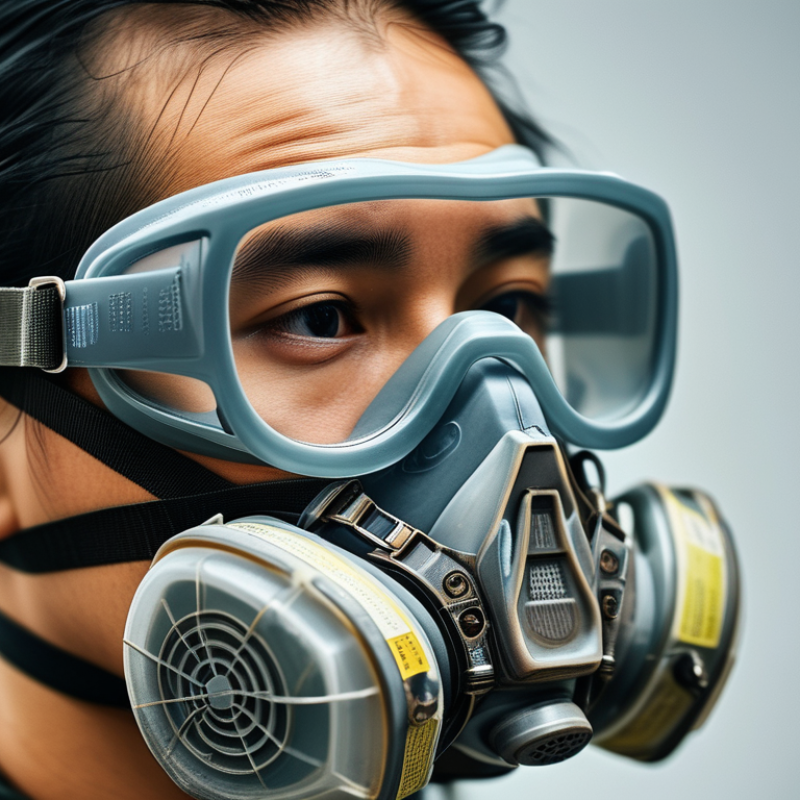
A proper respirator seal is crucial for effective protection. If air leaks around the nose bridge, it compromises the mask's integrity. This issue can arise from poor fit or inappropriate sizing. Many users overlook these details, assuming a generic fit is sufficient. However, even small gaps can let harmful particles in.
To ensure a snug fit, adjust the nosepiece correctly. Experiment with different styles to discover what works best for your face shape. Face contours can vary greatly. A well-fitted respirator should feel secure but not overly tight. Breathing should remain comfortable.
It's also important to inspect your respirator regularly. Check for wear and tear that could affect the seal. Adjust your fit as needed, especially when starting a new job or environment. Taking these steps can help maintain a reliable barrier against airborne hazards. Don't underestimate the impact of a faulty seal. It's both a safety and a health concern that deserves attention.
Air leaks around the nose bridge of respirators can significantly compromise their effectiveness. Common causes include improper fit and inadequate seal. According to industry studies, over 30% of respirator users report leaks due to sizing issues. Many people choose masks that are too loose or too tight. This can create gaps, allowing unfiltered air to enter.
Another critical factor is facial hair. Even minimal stubble can disrupt the mask's seal. Research indicates that 34% of men in industrial settings have facial hair, affecting the tightness of the respirator. Furthermore, sweat and moisture accumulation on the mask can also lead to leaks. As personal comfort varies, it's crucial to monitor these factors during use.
Regular maintenance of the respirator is vital. A survey showed that 20% of users neglect cleaning their masks, leading to degraded materials and compromised air quality. Misalignment or damage to the nosepiece can also create areas for air to escape. Proper training on fitting and routine checks can improve seal integrity. However, many workers still lack adequate training on how to achieve a proper fit. Addressing these issues requires a proactive approach and continual awareness.
A proper fit is critical for respirators to function effectively. Leaks around the nose bridge can signal serious fit issues. According to the National Institute for Occupational Safety and Health (NIOSH), improper fit can reduce protection by up to 90%. This highlights the importance of regular fit testing.
Several factors can cause leaks. For instance, the shape of a user's nose may not align with the respirator's design. A poorly adjusted nose piece may also lead to gaps. A study revealed that over 60% of users reported discomfort when the respirator was not fitted correctly. This discomfort often results in users adjusting the mask improperly, further exacerbating leaks.
Experience shows that frequent training on proper respirator fit is essential. Employers should encourage workers to identify leaks during work shifts. Regular feedback helps ensure that employees feel confident using their gear. Addressing these issues could enhance overall safety compliance and improve workplace health outcomes. The failure to check for a tight seal can leave workers exposed, emphasizing the need for personal diligence.
Wearing a respirator is crucial for safety in various environments. However, many users find that their respirator leaks air, especially around the nose bridge. This can be frustrating and can compromise protection. Adjusting the fit is essential to minimize these leaks.
One effective tip is to ensure you choose the right size respirator. A poor fit can create gaps. Use a mirror to check for any visible spaces around the nose. Additionally, you may consider using a nose bridge seal or foam that conforms better to your face. This extra cushioning can help reduce unwanted air leaks.
Another helpful practice is to perform a fit test regularly. Tightening the straps may help, but be cautious not to over-tighten, as this can cause discomfort. Breathe in deeply; the respirator should pull tightly against your face, reducing the chances of air escaping. Remember, consistent adjustments may be necessary throughout the day as facial movements can change the fit. Taking these steps can lead to a more reliable and secure experience with your respirator.
Respirators are essential in protecting workers from airborne hazards. However, when they leak around the nose bridge, the effectiveness decreases significantly. A study from the American Journal of Industrial Medicine indicates that improper fitting can lead to a 60% reduction in protection levels. This highlights the importance of maintaining and adjusting your respirator regularly.
Proper care for your respirator is critical. Regularly inspect the mask for damaged seals or dirt buildup. Clean the respirator following manufacturer guidelines. Using mild soap and warm water can help, but avoid harsh chemicals. These can degrade the materials and create leaks. In a recent survey, nearly 40% of users reported that improper cleaning routines led to mask failure. It’s essential to be diligent.
Another common issue is the fit of the respirator itself. If it doesn’t conform tightly to the face, it can allow contaminants to enter. Conducting a fit test can help ensure that your mask is snug. Research shows that 70% of leaks stem from poor fit rather than defective masks. Take time to adjust and recheck your respirator, especially after prolonged use. The small details can make a considerable difference in your safety.
| Issue | Cause | Solution | Maintenance Tips |
|---|---|---|---|
| Air Leak at Nose Bridge | Improper fit | Readjust the nose clip for a better fit | Regularly check fit before each use |
| Fogging Eyewear | Warm air escaping from respirator | Use anti-fog wipes on eyewear | Ensure proper seal to reduce air escape |
| Uncomfortable Fit | Size mismatch | Select the correct size respirator | Consult sizing guide for proper selection |
| Material Degradation | Aging or exposure to elements | Replace with a new respirator | Store in a cool, dry place away from sunlight |
: Leaks often occur due to improper fit. Gaps around the nose can lead to air escaping.
Use a mirror to check for visible spaces. Consider a nose bridge seal for better conformity.
Fit tests should be done regularly. Adjustments may be needed throughout the day.
Many users fail to clean their respirator properly, leading to potential leaks.
Use mild soap and warm water. Avoid harsh chemicals that can deteriorate the mask.
Yes, facial movements can change how well the respirator fits. Regular adjustments are necessary.
Research shows about 70% of leaks are due to fit issues, not defects in the mask.
Do not over-tighten the straps. This can cause discomfort and may not improve the fit.
Breathe in deeply to see if the mask pulls tightly against your face, indicating a good seal.
Regular maintenance ensures a better fit and reduces the risk of compromised protection.
In addressing the question, "Why is my respirator leaking air around the nose bridge," it is essential to understand the significance of achieving a proper seal for effective respiratory protection. Common causes of air leaks in this area often stem from improper fitting, facial hair, or the design of the respirator itself. Identifying fit issues is crucial, as even a minor gap can compromise the respirator’s efficacy.
To correct nose bridge fit, users can adjust the nose piece, ensure their face is clean-shaven where the respirator seals, and choose a model suited to their facial structure. Additionally, maintaining and caring for respirators—by regularly checking for wear and tear—can prevent leaks and enhance their performance. Proper attention to these aspects ensures optimal protection and comfort while wearing a respirator.
