Bloc Medical
In today's healthcare landscape, understanding "What is the difference between a respirator and a surgical mask" is essential. Respirators and surgical masks serve different purposes and offer varying levels of protection. According to a report by the National Institute for Occupational Safety and Health (NIOSH), respirators filter at least 95% of airborne particles. In contrast, surgical masks primarily block large particles and droplets but do not provide the same level of filtration.
Dr. Maryann D'Alonzo, a respiratory protection specialist, stresses the importance of this distinction. She states, "Not all masks are created equal; knowing your needs can save lives." This highlights the need for informed choices in personal protective equipment.
Current statistics reveal a significant increase in mask usage during health crises, yet misconceptions persist. Many people still confuse these two types of protective gear. This can lead to inadequate safety measures being taken. Proper understanding of each type's strengths and limitations is crucial for effective health protection. Recognizing the differences can help individuals and professionals make informed decisions, ensuring better safety in various environments.
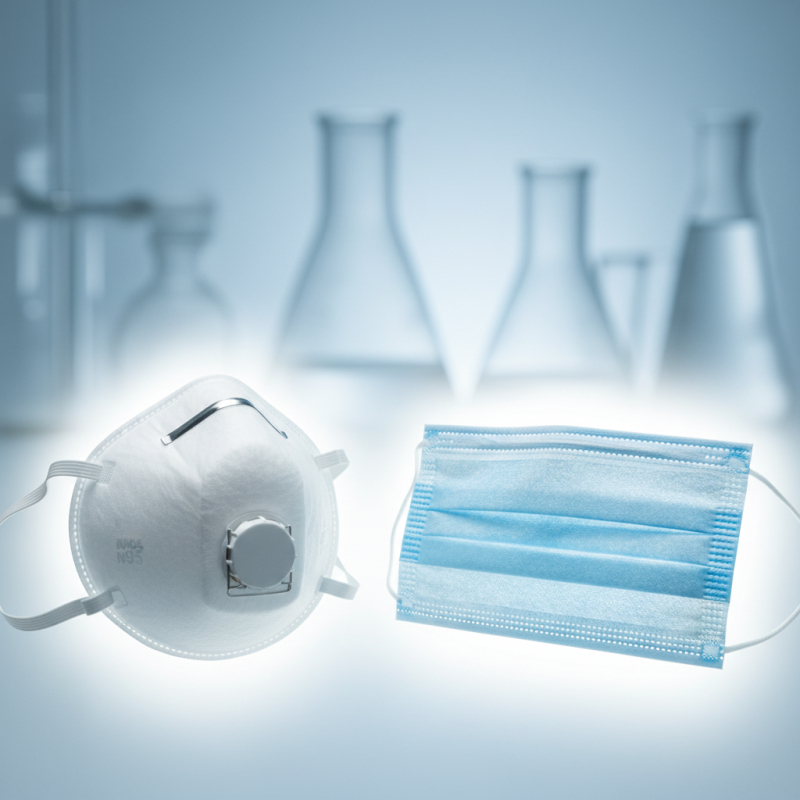
Respirators and surgical masks serve crucial roles in healthcare and industrial settings. Their definitions and purposes differ significantly. Respirators are designed to filter out harmful particles, including viruses and fine dust. They create a tight seal around the face and usually exceed a filtration efficiency of 95%. According to the CDC, respirators can protect against airborne contaminants effectively. Surgical masks, on the other hand, prevent the spread of respiratory droplets. They are loose-fitting and are primarily intended to protect patients from potential contaminants.
Selecting the right personal protective equipment is vital. Always check the specifications before use. For environments with high exposure risk, prioritize respirators. They provide a higher level of protection compared to surgical masks. Remember that a respirator must fit properly to ensure effectiveness. The fit test is an essential step.
Consider the situation and potential exposure levels. Surgical masks are more suitable for general use where the risk of aerosol transmission is lower. Don't overlook comfort; a well-fitted mask encourages regular use. Understanding the differences helps in making informed decisions about safety and health.
In uncertain circumstances, it's wise to review updated guidelines from health authorities. Regular updates may change best practices. Stay informed to protect your health effectively.
This chart illustrates the key differences between respirators and surgical masks across various dimensions such as filtration efficiency, type of use, and comfort level, highlighting the unique purpose and regulation of each protective equipment.
Respirators and surgical masks serve different purposes, yet both play crucial roles in personal protection.
Respirators are designed to filter airborne particles and provide a tighter fit. They often have a multi-layer filtration system that blocks small particles, including viruses.
In contrast, surgical masks primarily guard against large droplets and splashes. They are looser fitting, which means they don't provide the same level of filtration.
The design features of these two types of protective equipment highlight their intended use.
Respirators may include exhalation valves, which allow for easier breathing during prolonged use. They are tested for filtration efficiency, often rated by standards like N95.
Surgical masks focus on fluid resistance, with a three-layer design to trap respiratory droplets. However, they don't filter out fine particulate matter effectively.
Despite their advantages, both these masks have limitations. Respirators require proper fit testing to ensure effectiveness, which many users may overlook.
Surgical masks can provide a false sense of security if users think they are fully protected. Understanding these key differences can lead to better decision-making in health and safety contexts.
Making informed choices is vital for effective protection against infectious agents.
Respirators and surgical masks serve distinct purposes, and regulatory standards highlight their differences. Respirators, like N95 masks, undergo rigorous testing to ensure they filter out at least 95% of airborne particles. They must meet specific criteria set by organizations like the National Institute for Occupational Safety and Health (NIOSH). Surgical masks, however, focus on protecting against liquid splashes, and their testing standards differ significantly. They are usually evaluated by the American Society for Testing and Materials (ASTM), which measures fluid resistance rather than particle filtration.
When selecting protective gear, it's crucial to understand these regulatory frameworks. A respirator offers a higher level of filtration, making it more suitable for high-risk environments. Yet, surgical masks are easier for the public to wear for everyday situations. Understanding when to use which type can greatly impact safety.
**Tip:** Always check for compliance marks when purchasing masks. Valid certifications ensure the efficacy of the mask purchased.
Maintaining comfort while wearing either type can be a challenge. Fit testing for respirators ensures proper sealing, which is often overlooked. Patients or workers may find masks uncomfortable after prolonged use. Frequent breaks and proper adjustments can improve the experience.
**Tip:** Consider materials that are breathable. This can help reduce discomfort during extended wear.
When considering respiratory protection, using the correct device is crucial.
Respirators provide a tighter fit and are designed to filter out harmful particles. They are ideal for environments with airborne hazards, such as certain healthcare settings or industrial workplaces. According to the CDC, respirators can filter at least 95% of airborne particles, making them suitable for managing exposure to infectious agents.
Surgical masks, on the other hand, are generally used to protect the wearer from splashes and droplets. They serve a critical role in surgical environments. However, they do not offer the same level of filtration and fit as respirators. A report from the World Health Organization highlights that while surgical masks can reduce the spread of pathogens, they are not effective in filtering out small airborne particles.
In daily situations, wearing the right mask matters. While surgical masks are convenient for public use, professionals in high-risk healthcare settings should opt for respirators. This decision can sometimes be overlooked, leading to increased risk. Understanding the specific use scenarios for each type can significantly enhance safety and effectiveness in various environments.
Maintaining the effectiveness of respirators and surgical masks involves understanding their care routines. Respirators, designed for better filtration, typically have a limited lifespan. They can last anywhere from several hours to multiple days, depending on their use and the environment. It's important to store them in a clean, dry place to extend their usability. Regular inspections for any signs of damage or wear are crucial for their performance.
Surgical masks, on the other hand, are mostly single-use items. They offer convenience but require proper disposal after each use. Some may wonder if they can be cleaned for reuse. However, cleaning these masks can compromise their filtration capacity. If reusing is necessary, it’s best to consider masks specifically labeled for such practices. Incorporating methods for safe storage and gentle disinfection can sometimes help. Be mindful that not all masks respond well to cleaning.
Reflecting on care practices can be revealing. Many people underestimate the impact of proper maintenance. The effectiveness of protective equipment hinges on how we handle them. Knowledge of lifespan and care recommendations empowers users to make informed decisions about their health.
| Feature | Respirators | Surgical Masks |
|---|---|---|
| Purpose | Filters out airborne particles | Protects against droplets |
| Filtration Efficiency | High (95% or more) | Moderate (not specific) |
| Fit Test Requirement | Yes | No |
| Seal | Form-fitting | Loose-fitting |
| Usage Duration | Varies, can be reused | Single-use recommended |
| Maintenance | Requires cleaning | No maintenance |
| Applications | Industrial and healthcare | Surgical and clinical settings |
| Regulatory Standards | NIOSH or equivalent | ASTM or equivalent |
| Comfort | Can be less comfortable | Generally more comfortable |
| Cost | Higher initial cost | Lower initial cost |
: Respirators filter harmful particles, including viruses and fine dust. They provide a tight seal around the face.
Surgical masks prevent the spread of respiratory droplets. They are loose-fitting and protect patients from contaminants.
Use a respirator in environments with high exposure risk. They offer better protection than surgical masks.
A proper fit ensures effectiveness. Without it, respirators cannot properly filter airborne contaminants.
Yes, surgical masks are convenient for general use. They work best where aerosol transmission risk is lower.
Always review specifications before use. Ensure the mask meets safety standards for your environment.
Regularly review updated health guidelines. Practices may change based on new information and risks.
Yes, choosing the incorrect mask can increase health risks. This can be overlooked in daily situations.
A comfortable, well-fitted mask encourages regular use, enhancing overall safety.
No, surgical masks do not filter small airborne particles effectively. They are mainly for splash protection.
The article "10 Key Differences Between Respirators and Surgical Masks" explores the fundamental distinctions between these two types of face coverings. Starting with their definitions and purposes, respirators are designed to filter out harmful airborne particles, providing a secure fit around the face, while surgical masks are primarily intended to protect against liquid splashes and offer a loose fit. Key design features reflect this, with respirators boasting higher filtration capacities and specific regulatory standards to ensure efficacy in various environments.
Further, the article discusses appropriate usage scenarios, emphasizing critical situations where one should opt for a respirator over a surgical mask, particularly in high-risk settings. Additionally, it addresses maintenance and reusability, providing insights into the lifespan and care of each type. In answering the question, "What is the difference between a respirator and a surgical mask," readers gain a comprehensive understanding of their unique roles in infection control and personal protection strategies.
