Why is Properly Donning and Doffing a Sterile Surgical Gown Important?

Time:2026-05-03 Author:Liam
0%

In the realm of surgery, maintaining a sterile environment is vital. The way healthcare professionals handle surgical gowns directly impacts patient safety. Knowing how to properly don and doff a sterile surgical gown can prevent contamination. Whether in an operating room or a procedural setting, the gown acts as a barrier against pathogens.

One lapse in procedure can have serious consequences. For example, improper techniques can lead to infections. This necessitates a strong understanding of the protocols involved. Effective training is essential for all staff members involved in surgical care. Although many professionals have experience, ongoing education about proper techniques is necessary.

Reflecting on our practices is equally important. Many assume they know how to put on and take off gowns correctly. However, small mistakes can go unnoticed. Regular evaluations and refresher courses can help reinforce best practices. This ensures every team member is well-versed in how to properly don and doff a sterile surgical gown, ultimately safeguarding patient health.
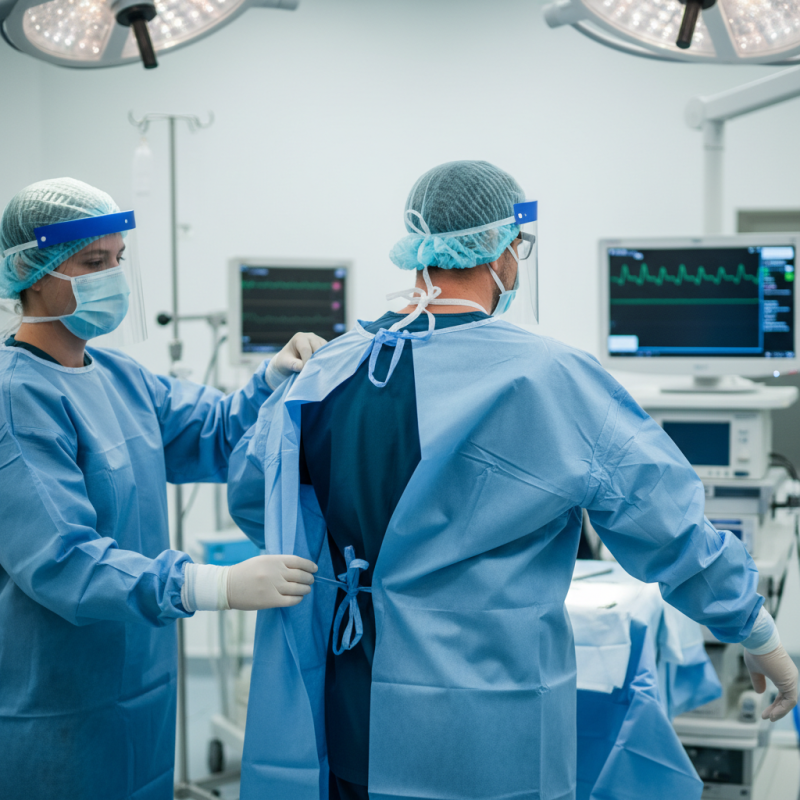
Why is Properly Donning and Doffing a Sterile Surgical Gown Important?

Importance of Aseptic Technique in Surgical Gown Usage

The importance of aseptic technique in surgical gown usage cannot be overstated. When surgical teams prepare for procedures, every detail counts. Properly donning a sterile surgical gown reduces the risk of contamination. This practice requires focus and precision. For example, gloves should never touch the outside of the gown. Any lapse in attention can lead to infection.

Doffing, or removing the gown, demands equal care. Contaminated surfaces can transfer pathogens. Surgical professionals must be aware of their surroundings. Maintaining a clean environment is essential. A slight mistake can compromise the entire procedure. There’s no excuse for haste.

Aseptic techniques are not only about skill. They require consistent training and reflection. Healthcare workers must routinely assess their habits. Familiarity can breed complacency. Regular drills and reminders about the importance of aseptic measures can enhance compliance. An environment that prioritizes these techniques contributes to patient safety. Everyone plays a critical role in maintaining sterile conditions.

Why is Properly Donning and Doffing a Sterile Surgical Gown Important? - Importance of Aseptic Technique in Surgical Gown Usage

Aspect Description Impact of Inadequate Technique
Donning The process of putting on a sterile surgical gown, ensuring that the exterior does not come into contact with non-sterile surfaces. Increased risk of contamination leading to surgical site infections.
Doffing The process of removing a sterile surgical gown without compromising sterile areas. Potential for transferring pathogens to hands or body if improper technique is used.
Aseptic Technique A method to prevent contamination during surgical procedures, including gowning practices. Failure to adhere can compromise patient safety and surgical outcomes.
Training Staff should receive proper training on donning and doffing techniques. Lack of training can lead to inconsistent practices and increased infection rates.
Personal Protective Equipment (PPE) Includes sterile gowns, gloves, and masks to ensure safety during procedures. Inadequate PPE can be a major factor in hospital-acquired infections.

Statistics on Surgical Site Infections Linked to Improper Gowning

Surgical site infections (SSIs) remain a significant risk in operating rooms. Statistics show that improper gowning and doffing can increase infection rates. According to the CDC, about 3% of surgical patients develop SSIs, often linked to breaches in sterile technique. Improper gowning not only contaminates the surgical field but can also expose staff to pathogens.

An analysis from a top medical journal revealed that gowns are frequently mishandled. Around 30% of surgical teams do not follow proper protocols. This negligence contributes to 50% of SSIs that could be prevented. The consequences are severe, leading to longer hospital stays and increased healthcare costs. Maintaining sterility is not just a practice; it's a necessity for patient safety.

Tip: Always perform a visual check of gowns before entering the operating room. This protocol can identify potential issues early.

Training is crucial. Teams should regularly review best practices for gowning and doffing. Consistency in these procedures can drastically reduce infection rates. Consider conducting drills to reinforce these habits.

Tip: Encourage peer feedback during gowning and doffing. It fosters a culture of safety and accountability.

Step-by-Step Procedure for Properly Donning a Sterile Surgical Gown

Properly donning and doffing a sterile surgical gown is critical in preventing surgical site infections (SSIs). A study published in the Journal of Hospital Infection revealed that improper gowning techniques can increase the risk of SSIs by up to 70%. This is a staggering statistic that underscores the importance of adherence to protocol in surgical settings. A step-by-step approach ensures that every healthcare professional minimizes their risk of infection transmission.

To successfully don a sterile surgical gown, begin by thoroughly washing your hands with an alcohol-based hand sanitizer. After drying your hands, open the sterile gown package without touching the inside of the gown. With your arms, insert yourself into the gown while keeping the front surface away from your body. Carefully secure the gown ties at the back, ensuring it covers your clothing entirely. It's vital that you do not touch the exterior of the gown during any of these steps. Each moment counts; minor errors can compromise sterility.

Doffing the gown requires equal attention. Start by untieing the gown's ties carefully. Be cautious to only touch the inside surfaces of the gown while removing it; this prevents contamination. After removing the gown, discard it in the appropriate biohazard container. Research indicates that up to 30% of healthcare workers fail to follow proper doffing procedures, highlighting the need for ongoing education and practice in sterile technique adherence. Keeping these steps in mind can safeguard both patients and healthcare professionals in the operating room.

Common Mistakes Made During Doffing and Their Consequences

Doffing a sterile surgical gown requires careful attention. Many medical professionals rush this critical process, exposing themselves and patients to potential contamination. Improper removal can inadvertently lead to the spread of harmful pathogens. For example, touching the outer surface of the gown is a common mistake. This can transfer germs from the gown to hands, which might then contaminate instruments or surfaces.

Another frequent error is not following the sequence of removal. The gown should be taken off in a specific order to minimize risk. Failing to roll up the gown correctly can also create a pathway for contaminants. Disposing of the gown improperly adds another layer of risk. Some might underestimate the impact of such simple actions, but they matter greatly in a surgical setting. These oversight issues reflect a need for ongoing education and awareness in sterile techniques.

Reflection on these practices highlights the importance of vigilance. Healthcare workers must continuously assess their doffing techniques. Regular training sessions could uncover these gaps. A sterile environment is paramount for patient safety. Every mistake in doffing can have significant consequences. Vigilance and practice are essential to maintain a high standard of care.

Impact of Proper Gowning on Overall Surgical Outcomes and Patient Safety

Proper gowning in the surgical environment directly impacts patient safety and overall surgical outcomes. A sterile surgical gown serves as a crucial barrier, protecting both the patient and medical staff from potential infections. When gowns are donned correctly, they minimize the risk of contamination. However, improper techniques can lead to complications, such as surgical site infections.

Attention to detail is vital during this process. Ensuring that the gown fits properly is essential. Ill-fitting gowns can allow exposure to microorganisms, undermining their protective purpose. All layers of the gown should be secured to avoid any gaps. Also, personnel must be aware of the order of putting on and removing the gown. This simple act can seem trivial but is fundamental to maintaining a sterile field.

Training and protocols must be regularly reviewed. Mistakes do happen, even among experienced staff. Reflection on past surgical outcomes can highlight areas needing improvement. Inconsistent adherence to sterile techniques can compromise patient safety. Continuous education on gowning protocols is necessary to ensure both compliance and awareness. Remember, the stakes are high, and every detail counts in the operating room.

FAQS

: Why is aseptic technique important in surgical gown usage?

: Aseptic technique reduces contamination risk during surgeries. Proper gown usage is crucial to ensure patient safety.

What are common mistakes made when doffing surgical gowns?

Common mistakes include rushing the process and touching the gown's outer surface. These actions can spread pathogens.

How often should surgical teams train on gowning and doffing?

Teams should regularly review best practices and conduct drills. This consistency can significantly lower infection rates.

What percentage of surgical site infections are linked to improper gowning?

Around 50% of surgical site infections could be prevented by following proper gowning protocols. Awareness is key.

How can a sterile environment be maintained during surgery?

Continuous training, vigilance, and peer feedback are essential. Everyone must be focused on maintaining sterility.

How does negligence impact patient care?

Negligence in gowning can lead to longer hospital stays and increased healthcare costs. The stakes are high for patient safety.

What should be done before entering the operating room?

Always perform a visual check of gowns. This can catch potential issues early and help maintain sterility.

Can complacency in practices affect surgery outcomes?

Yes, familiarity can lead to careless mistakes. Regular reflection on aseptic techniques is necessary to prevent this.

Why is the sequence of gown removal important?

Following the correct sequence minimizes contamination risk. Each step should be performed with care.

What should be done if a mistake occurs during doffing?

Mistakes should prompt immediate reflection and education. Identifying gaps is vital to maintaining a sterile environment.

Conclusion

Properly donning and doffing a sterile surgical gown is crucial for maintaining aseptic technique in the operating room. Inadequate gowning practices can increase the risk of surgical site infections, which are a significant concern in patient safety and surgical outcomes. Statistics indicate a clear link between improper gowning and higher rates of infections, emphasizing the necessity for adherence to strict protocols.

To ensure effective sterile practices, a step-by-step procedure should be followed when putting on and taking off gowns. Common mistakes during doffing, such as touching non-sterile surfaces or failing to follow proper disposal methods, can compromise sterility and lead to adverse patient outcomes. Therefore, understanding how to properly don and doff a sterile surgical gown is essential for all surgical team members to promote patient safety and enhance the overall success of surgical procedures.

Liam

Liam

Liam is a dedicated marketing professional with a profound expertise in the industry, where he excels at highlighting the unique advantages of our core products. With a keen understanding of market trends and consumer needs, Liam frequently updates our company’s professional blog, providing......