Bloc Medical
In 2026, the importance of reliable respiratory protection remains paramount. As more counterfeit N95 respirators flood the market, knowing how to tell if your N95 respirator is counterfeit is essential for safety. The right information can protect you from health risks associated with ineffective masks.
To identify fake N95 respirators, examine their packaging and labels closely. Authentic products have specific certifications and brand markings. Check the CDC and FDA websites for updated guidelines and trusted manufacturers. Genuine masks will also fit well and be comfortable, while fakes often have poor construction and fit.
Awareness is crucial. Many people unknowingly purchase counterfeit masks, believing they are protected. It’s easy to overlook essential details. Reflect on your choices and the sources you trust. This knowledge is vital as we navigate a world where counterfeit products may jeopardize health once again. Stay informed and vigilant in your quest for authentic protective gear.
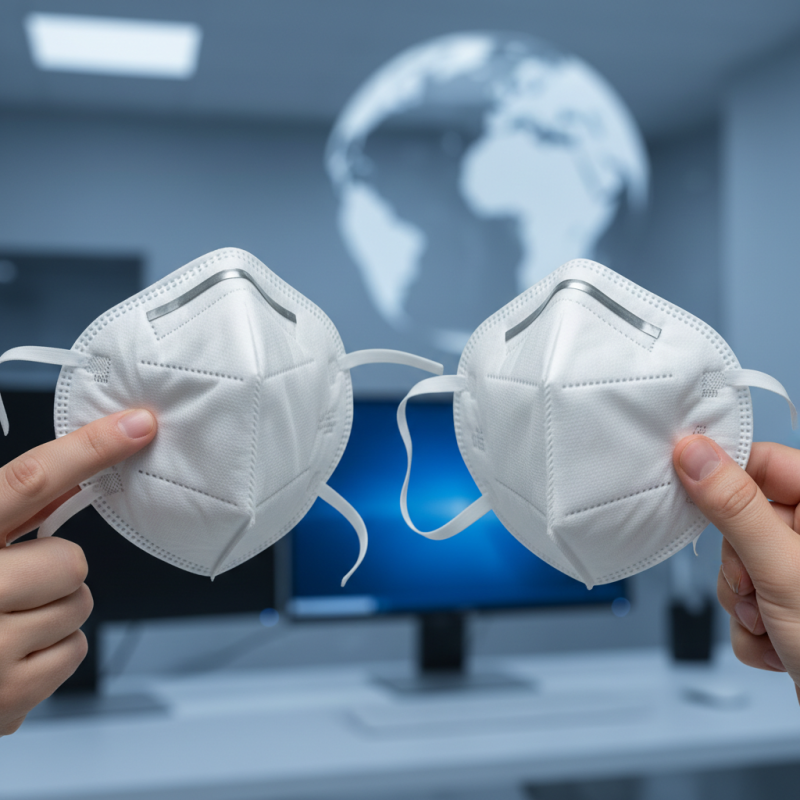
In 2026, understanding the standards and regulations surrounding N95 respirators is crucial to ensure safety. The National Institute for Occupational Safety and Health (NIOSH) sets rigorous testing protocols. Only products meeting these protocols can be labeled as N95. Unfortunately, counterfeit versions often bypass these standards.
Reports indicate that nearly 70% of respirators available online are not NIOSH-approved. These products may look authentic but fail to provide adequate filtration. Studies show that authentic N95 respirators filter at least 95% of airborne particles. In contrast, counterfeits might only achieve 50% effectiveness.
It's essential to check for certification marks and authenticity. Look for the NIOSH logo and an appropriate approval number. Many counterfeit masks lack basic information or have misspelled words. Relying on trusted suppliers improves the chances of obtaining genuine respirators. Regular updates from health authorities can help keep consumers informed. Awareness and education on these standards remain necessary for public safety.
When assessing the authenticity of N95 respirators, several characteristics stand out. Genuine N95 respirators are certified by the National Institute for Occupational Safety and Health (NIOSH). They feature a unique approval label, which shows the NIOSH logo and the specific TC number. Without this certification, the mask may not meet safety standards. Industry reports indicate that counterfeit masks often lack this critical labeling.
Quality is another key aspect. Genuine N95 respirators are made from high-quality materials that ensure a proper fit and filtration. They usually have a strong, flexible nose bridge that allows for a snug fit. Counterfeit masks may use flimsy materials that can compromise safety. The fit should provide a tight seal against the face without gaps, which is essential for effective protection.
Tips: Examine the packaging closely. Authentic N95 respirators come in sealed packaging that contains the manufacturer's information. Look for grammatical errors or unusual fonts, which are common in knock-offs. Additionally, be wary of overly low prices, as reputable masks typically have a reasonable market value.
When identifying a counterfeit N95 respirator, key features warrant close inspection. First, check the markings on the mask. Authentic N95 respirators must have a printed label indicating the “N95” designation, along with the manufacturer’s name. Reports indicate that nearly 30% of counterfeit masks fail to display proper labeling. Color and font may differ on fake products. Valid N95 masks typically have clear, bold text.
Next, inspect the construction of the respirator. Genuine N95 masks feature multiple layers of filtration material, which offer high filtration efficiency above 95%. The Centers for Disease Control and Prevention (CDC) states that authentic masks exhibit a specific bendable nose piece that ensures a snug fit. Poorly constructed masks can create gaps, leading to a false sense of security. In a 2023 study, researchers found that about 20% of counterfeit respirators do not seal correctly, significantly reducing their efficacy.
Lastly, consider the packaging. Real N95 respirators are usually sold fully sealed and include product inserts with detailed instructions. If the packaging looks worn or lacks essential information, it raises red flags. Data from an industry report emphasized that approximately 25% of counterfeit masks have inconsistent packaging. Always trust certified suppliers to ensure the authenticity of your respirators, as this choice can impact your health.
When evaluating the authenticity of an N95 respirator, there are crucial red flags to consider. One noticeable warning sign is the packaging. Genuine products typically have clear, professional labeling. If the text is blurry or the graphics are poorly printed, that's a concern. Also, check for proper approval markings. An N95 mask should include specific certifications. Missing or incorrect information can indicate a counterfeit product.
Another red flag involves the mask's physical characteristics. Real N95 respirators have a firm structure, and the straps should be sturdy and secure. If the straps feel flimsy, it raises doubts. Additionally, inspect the material. Authentic masks use advanced filtering fabrics. If the material seems thin or uncomfortable, it may not meet safety standards.
Be cautious about where you purchase these masks. Buying from unverified sources can lead to fraud. It’s wise to research sellers and look for reviews. Trustworthy vendors will have a clear return policy. Be mindful of prices that seem too low for legitimate N95 respirators. Always prioritize safety and make informed choices.
| Red Flag | Warning Sign | What to Look For |
|---|---|---|
| Improper Packaging | Missing information on packaging | Should have certified labels and clear instructions |
| Absence of NIOSH Approval | Label lacks NIOSH markings | Look for official NIOSH logo and approval number |
| Unusual Price | Price significantly lower than average | Research market prices to verify |
| Unprofessional Appearance | Poor quality printing or labeling | Check for typos and clarity |
| Non-Standard Filtration | Claims of filtration beyond standard | Ensure compliance with N95 filtration standards |
When verifying N95 respirators, certifications and labels are crucial indicators of authenticity. Many counterfeit masks appear convincing but fail to meet safety standards. Start by examining the mask's certification label. Authentic N95 respirators should display the NIOSH label clearly. It is important to check for the proper filtration efficiency, which should be at least 95%.
Next, look for any signs of poor quality. Inspect the straps and nose piece; they should provide a secure fit and be made from durable materials. Check for instructions included in the packaging. Authentic products often come with detailed guidelines for proper use. Be cautious of masks without proper documentation, as they may not meet necessary health regulations.
Additionally, consider seeking advice from professionals. Healthcare workers often have experience with various respirators. They can provide insights about trusted brands and tell-tale signs of counterfeits. Remember, inadequate protection can compromise safety. Remaining vigilant and informed can help you make better choices in selecting N95 respirators.
: NIOSH sets strict testing protocols to certify genuine N95 respirators. Only those meeting these standards can use the N95 label.
Look for the NIOSH logo and a proper approval number. Counterfeits may lack this information or have spelling errors.
Genuine N95 respirators filter at least 95% of airborne particles. Counterfeit masks may offer less than 50% efficiency.
Low-quality masks often have flimsy materials, poor-fitting straps, and lack clear documentation. They may compromise safety significantly.
Authentic N95 respirators should be in sealed packaging with the manufacturer's information. Unusual fonts or errors can indicate forgery.
Check for a strong, flexible nose bridge that creates a tight seal. Poor fit can reduce the respirator's effectiveness.
Be cautious. Prices that are too low often signal counterfeit masks. Quality products have reasonable market values.
Follow regular updates from health authorities and educational sources. Staying informed enhances safety awareness and decision-making.
Yes, healthcare workers can offer valuable insights into trusted brands and identifying counterfeit signs, enhancing your safety choices.
Lack of documentation may indicate poor quality. It's best to avoid using that product due to potential safety risks.
In 2026, knowing how to tell if your N95 respirator is counterfeit is essential for ensuring your safety and health. Genuine N95 respirators must meet specific standards and regulations, which include verifying their certifications and labels. Key features of authentic products include correctly labeled filtration efficiency, the presence of proper markings, and a secure fit.
When inspecting your respirator, look for common characteristics of genuine N95s, such as the appropriate size and shape, as well as any discrepancies in packaging. Be vigilant about red flags and warning signs of counterfeit products, such as unusual pricing or odd labeling. To confirm authenticity, it's crucial to cross-check certifications through authoritative sources, ensuring that your purchased respirator truly meets the necessary safety standards.
