How to Fit Test an N95 Respirator at Home Safely

Time:2026-05-09 Author:Isabella
0%

Fitting an N95 respirator correctly is crucial for effective protection. Dr. Emily Hartman, an expert in occupational health, once said, "A proper fit can make the difference between safety and risk." Understanding how to fit test an N95 respirator at home safely is important for everyone, especially in today's world.

Many people may struggle with finding the right fit. A loose mask can lead to dangerous exposure to harmful particles. Inadequate testing protocols at home can lead to inaccuracies. This makes it necessary to rely on trustworthy guidelines and expert advice. Practical knowledge is key in this process.

Taking the time to learn how to fit test an N95 respirator at home can provide peace of mind. The process isn’t always straightforward. Many users might find themselves needing adjustments after initial attempts. Implementing a few basic strategies can enhance the efficacy of these respirators.
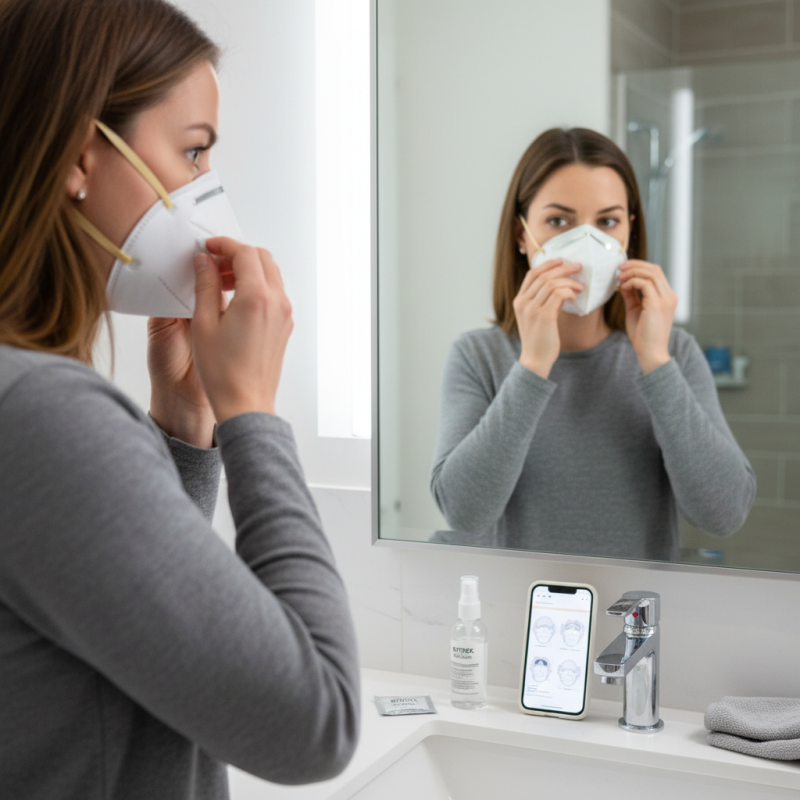
How to Fit Test an N95 Respirator at Home Safely

Choosing the Right N95 Respirator for Home Fit Testing

Choosing the right N95 respirator is crucial for effective fit testing at home. According to the National Institute for Occupational Safety and Health (NIOSH), N95 respirators can filter out at least 95% of airborne particles. However, not all N95 masks fit every face perfectly. A proper seal is essential to ensure maximum protection against harmful particles.

Before selecting an N95, consider your face shape and size. Many manufacturers offer different designs to accommodate various facial structures. Pay attention to the adjustable straps and nasal seals as they can significantly impact the fit. Studies show that N95 respirators must create a tight seal around the face to be effective. A poorly fitting mask can result in air leakage, reducing overall filtration effectiveness.

Tips: Check for gaps around the edges. When you inhale, the mask should collapse slightly. If air escapes around the sides, try a different model. Also, conduct a user seal check each time you put on the respirator. Even a small crease can compromise your protection level.

Some individuals may find it difficult to achieve a good fit. Different facial features, such as a prominent nose or a wider jawline, can impact this. If you experience discomfort or struggle with obtaining an adequate seal, it may be necessary to try multiple options. Remember, your safety and health should always be a priority in the fit testing process.

Preparing Your Home Environment for Safe Fit Testing

Creating a safe environment for fit testing an N95 respirator at home is crucial. According to the CDC, proper fit testing ensures a seal around the face, which is essential for optimal protection. Begin by selecting a quiet space free from drafts. Windows should be closed, and fans turned off. This will help ensure that airflow does not interfere with your fit test results.

Next, check the cleanliness of the area. A clutter-free environment minimizes distractions and helps you focus. You may also want to wear loose clothing to avoid any pressure points on the respirator. Inadequate space can lead to improper fittings, affecting efficacy rates. A study by the National Institute for Occupational Safety and Health (NIOSH) emphasizes that a proper fit is 97% effective in protecting against particles.

Testing should be done in front of a mirror. This allows you to observe the fit and make adjustments if necessary. Consider enlisting the help of a family member to provide feedback on the fit. Self-testing comes with challenges, such as not recognizing a poor seal. Regular checks of the respirator are needed. Performing these checks in a thoughtful environment can significantly enhance safety during use.

Effectiveness of N95 Fit Testing Methods

Steps to Properly Conduct the N95 Respirator Fit Test

Fitting an N95 respirator at home requires careful attention to detail. Ensuring a proper seal is vital for the mask to function effectively. Begin by washing your hands thoroughly before handling the respirator. Inspect the device for any damage; a compromised respirator will not provide adequate protection.

Next, place the respirator over your nose and mouth. Adjust the straps to create a snug fit. The mask should not move when you talk. Breathe in sharply. If you feel air leaking around the edges, reposition the respirator. You might need to adjust the nose clip too. Repeat this process until you achieve a solid seal.

To further ensure effectiveness, consider the fit-testing method known as the "Negative Pressure Test." Inhale gently through the mask, ensuring it collapses slightly. Hold your breath for a few seconds. If the respirator stays tight against your face, you have achieved an acceptable fit. Remember, practice is key. Adjusting the fit may take multiple attempts. Safety is paramount. Ensure these steps are followed precisely for the best results.

Recognizing Signs of an Improper Fit During Testing

Recognizing an improper fit during an N95 respirator fit test is crucial for ensuring proper protection. A poorly fitted respirator can compromise safety, allowing harmful particles to enter. According to the CDC, about 30% of individuals might achieve an improper fit even when wearing an N95 mask.

During your fit test, watch for common signs of an improper seal. You should notice air leakage around the edges when you breathe. If you feel a breeze on your face or hear air escaping, your mask may not be positioned correctly. Also, when you perform movements like turning your head or talking, a well-fitted mask should remain secure.

Consider conducting a user seal check regularly. The pressure from your breath should cause the mask to collapse against your face. If it does not, adjustments are necessary. Remember, even the slightest gap can make a difference. A 2018 study found that users of improperly fitted respirators were nearly five times more likely to experience exposure to airborne particles. Fine-tune your technique and maintain vigilance during testing to safeguard your health.

Maintaining and Storing Your N95 Respirator After Fit Testing

Storing your N95 respirator properly is crucial for its longevity and effectiveness. Keep it in a clean, dry place. Avoid areas with high humidity or heat. Consider using a breathable container to protect it from dust. A paper bag can work well. Label each bag to keep track of usage dates. This helps prevent the use of expired masks.

Regularly check your respirator for wear and tear. Look for signs of damage or contamination. If you find any issues, it's best to dispose of it. Clean your hands before and after handling the mask. This minimizes the risk of contamination.

Reflect on your fit testing results. If the fit was not perfect, it may require adjustments in how you wear it. Practice may help improve the seal. Always take note of how it feels during use. An uncomfortable fit may lead to improper use. Balancing comfort and safety is key. Make sure to revisit your fit testing process regularly. Your health depends on it.

How to Fit Test an N95 Respirator at Home Safely

Test Method Materials Needed Steps to Perform Indicators of a Good Fit
User Seal Check N95 respirator, hand sanitizer 1. Put on the N95 respirator. 2. Cover the respirator with both hands and exhale hard. 3. Check for air leaks. No air leak felt around the edges.
Quantitative Fit Test Fit testing tool, N95 respirator 1. Set up the fit testing tool as per instructions. 2. Follow the test protocol. 3. Review results. Fit factor > 100 indicates good fit.
Qualitative Fit Test Bitrex solution, N95 respirator 1. Put on the N95. 2. Spray the solution in the air. 3. Check if the taste is detected. No taste detected when wearing the respirator.

FAQS

: How should I start fitting an N95 respirator at home?

: Start by washing your hands. Then, inspect the respirator for damage before you wear it.

What is important when placing the respirator?

It's vital to create a snug fit over your nose and mouth. The mask shouldn’t move when you talk.

How can I test if my respirator fits properly?

Take a sharp breath in. If you feel air leaks at the edges, adjust the mask and try again.

What is the "Negative Pressure Test"?

Inhale gently through the mask. If it collapses slightly and stays tight, your fit is acceptable.

How common is improper fit with N95 masks?

Studies suggest that about 30% of individuals may not achieve a proper fit, risking exposure.

What signs indicate an improper fit during testing?

Watch for air leakage, a breeze on your face, or movement of the mask when you talk or move.

Why is adjusting the fit important?

Even a slight gap in the mask can let harmful particles in. Adjustments are necessary for better protection.

How often should I check my mask fit?

Conduct a user seal check regularly. Adjust if the mask doesn’t collapse against your face during breathing.

How many attempts might it take to achieve a proper fit?

Practice is key. It may take multiple attempts to get the fit just right and ensure safety.

What should I do if I notice a poor fit?

Reposition the respirator and make necessary adjustments. Don’t overlook even small adjustments; they matter.

Conclusion

In the article "How to Fit Test an N95 Respirator at Home Safely," readers are guided through essential steps for effectively fitting an N95 respirator at home. It begins with choosing the right type of N95 respirator suitable for home fit testing, emphasizing the importance of selecting one that meets personal protection needs. The preparation of the home environment is also crucial, as it ensures safety and proper testing conditions.

Once the necessary preparations are made, the article outlines specific steps to conduct the fit test correctly. This includes instructions on how to check for signs of an improper fit during testing, which is vital for ensuring both comfort and safety. Finally, the importance of maintaining and storing the N95 respirator after testing is covered, highlighting that proper care prolongs the respirator's effectiveness. Overall, this comprehensive guide informs readers on how to fit test an N95 respirator at home safely and effectively.

Isabella

Isabella

Isabella is a dedicated marketing professional with a sharp focus on driving brand growth and engagement through strategic content creation. With an extensive background in digital marketing, she combines her passion for storytelling with her keen understanding of industry trends to deliver......