Bloc Medical
In Intensive Care Units (ICUs), maintaining a sterile environment is crucial for patient safety. One essential practice that contributes to this goal is the use of disposable shoe covers. Why are disposable shoe covers mandatory in ICU units? These covers act as a barrier, preventing the transfer of pathogens and contaminants from footwear to sterile areas.
Healthcare professionals often navigate various environments throughout their shifts. This increases the risk of bringing harmful bacteria into the ICU. Disposable shoe covers are designed to minimize this risk effectively. They offer a simple, cost-effective solution that requires no extensive training or special equipment.
Despite their importance, some may overlook these protective items. This raises concerns about the potential consequences on patient health. Providing proper education on the necessity of disposable shoe covers is vital. Ultimately, integrating these covers into daily practices ensures a safer, more hygienic setting for vulnerable patients.
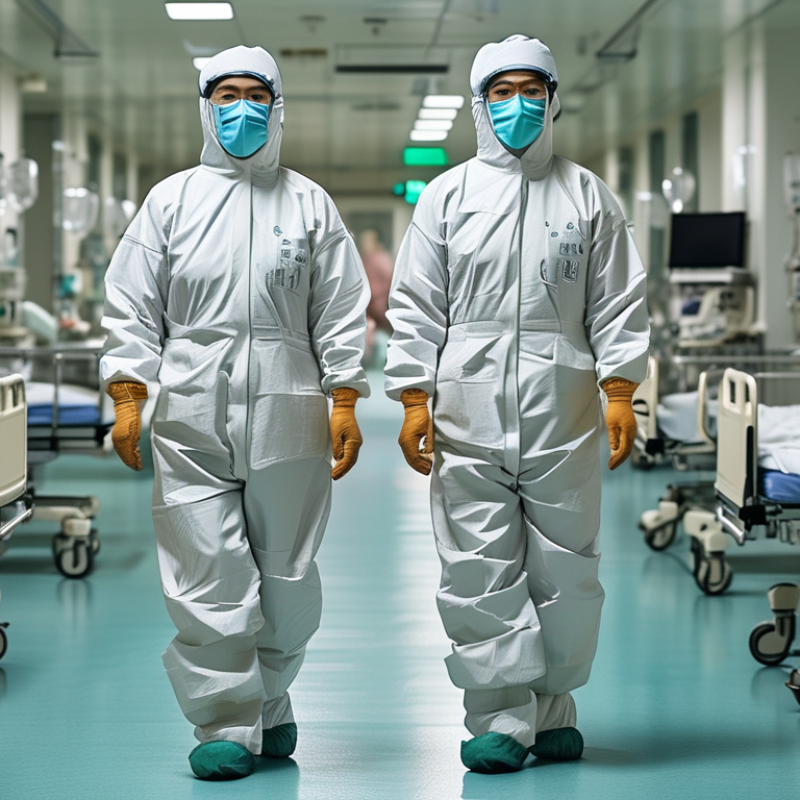
Infection control is critical in ICU units. According to the Centers for Disease Control and Prevention (CDC), healthcare-associated infections (HAIs) affect 1 in 31 hospital patients on any given day. This statistic underscores the urgency of implementing effective infection control measures.
Disposable shoe covers serve as an important barrier. They prevent the transfer of pathogens from footwear into sterile environments. A study published in the American Journal of Infection Control found that over 70% of bacteria can originate from the soles of shoes. This fact makes it clear that shoe covers can significantly reduce contamination risks.
Moreover, healthcare workers often walk between various patient rooms. This movement increases the potential for spreading infections. Research shows that proper utilization of personal protective equipment (PPE), including shoe covers, can decrease infection rates by up to 30%. Yet, despite the availability of these protective measures, many facilities still face compliance issues. These gaps need addressing to ensure the safety of vulnerable patients in ICUs.
In Intensive Care Units (ICUs), the risk of cross-contamination is a significant concern. Disposable shoe covers play a critical role in maintaining a sterile environment. Research indicates that around 70% of pathogenic bacteria can be found in healthcare environments, often transported on shoes. This statistic highlights the importance of implementing effective barriers such as disposable shoe covers.
Using disposable shoe covers effectively reduces the transfer of contaminants. A study published in the *Journal of Hospital Infection* shows that footgear contamination can occur in over 40% of cases, posing a risk to patient safety. These covers act as a primary line of defense, safeguarding not only the patients but also healthcare staff. They contain biological materials on footwear, preventing them from spreading throughout the ICU.
Yet, the reliance on disposable shoe covers is not without challenges. Some healthcare facilities may overlook their importance, leading to lapses in hygiene practices. Proper education on their use is crucial. Health professionals must be reminded of their function and necessity. Despite some variations in compliance, it is evident that disposable shoe covers are vital for infection control in critical care settings.
In healthcare settings, personal protective equipment (PPE) plays a critical role in infection control. The Centers for Disease Control and Prevention (CDC) emphasizes that proper PPE use, including disposable shoe covers, can significantly reduce the risk of pathogen transmission. Shoe covers serve as a barrier against contaminants, protecting both healthcare workers and patients in high-risk areas like ICUs.
A report by the World Health Organization (WHO) highlights that approximately 1 in 10 patients experience healthcare-associated infections globally. This statistic underscores the importance of maintaining rigorous hygiene protocols, which include using disposable shoe covers. These covers help prevent the transfer of harmful microorganisms from shoes, which can carry dirt, bodily fluids, and other pathogens, into sterile environments.
Despite good intentions, not all healthcare facilities consistently enforce PPE protocols. Some workers may overlook shoe covers, viewing them as unnecessary. However, each missed opportunity to don shoe covers compromises patient safety. Ensuring that all staff understands the importance of every piece of PPE is crucial. Proper training and reminders can enhance compliance and ultimately protect vulnerable patients in ICUs.
In ICU units, maintaining a sterile environment is critical. Disposable shoe covers play a key role in this. They help minimize the risk of contamination, protecting both patients and staff. Traditional footwear can trap dirt and germs. This is where disposable covers excel. They are designed for one-time use, ensuring that each pair is clean and uncontaminated.
Cost analysis shows that using disposable shoe covers can be economically beneficial. They help reduce the need for extensive cleaning protocols. Fewer contaminants mean less time spent on disinfection. Hospitals can allocate these saved resources elsewhere. However, it's essential to weigh the cost of materials against potential infection control failures.
Not all disposable shoe covers are created equal. Some may rip easily, losing their protective qualities. This raises a question of reliability. Are all covers effective enough? Selecting the right product is paramount. Ultimately, investing in quality covers may lead to better outcomes. The challenge lies in balancing cost with effectiveness.
Infection control is crucial in ICU units. Disposable shoe covers play a significant role in this effort. Studies show that these covers can reduce contamination risks dramatically. When healthcare professionals wear them, they prevent pathogens from spreading across floors. This simple practice enhances overall hygiene in sensitive environments.
Compliance rates for wearing shoe covers often vary. Some staff members resist using them due to discomfort. Others forget to wear them amid busy shifts. Despite these challenges, the effectiveness in infection prevention remains clear. Research indicates that units with higher compliance rates see lower infection rates. These results highlight the need for ongoing training and reminders about the importance of wearing shoe covers.
It's worth noting that not all shoe covers are created equal. Material quality impacts their effectiveness against contamination. Some types may tear easily or offer inadequate coverage. Regular assessments of shoe covers used in ICUs can help identify the best options. This reflection ensures that best practices are consistently followed in infection control.
The bar chart above illustrates the importance level of five key reasons why disposable shoe covers are essential in ICU units. The highest importance is given to infection prevention, followed by ease of use and compliance rates. Understanding these factors helps in promoting better practices in infection control within healthcare settings.
: Infection control is critical as healthcare-associated infections affect many patients daily. It ensures patient safety.
Disposable shoe covers prevent pathogens from shoes entering sterile areas, reducing contamination risks effectively.
Studies show that over 70% of bacteria can originate from shoe soles. This emphasizes the need for shoe covers.
Proper utilization of PPE, including shoe covers, can decrease infection rates by up to 30%. This highlights their importance.
Disposable shoe covers reduce cleaning needs, saving time and resources for hospitals. They help maintain sterile environments.
Not all shoe covers are equal. Some may rip easily, compromising their protective qualities. Quality matters in selection.
Staff may resist due to discomfort or forget amid busy shifts. Ongoing training can help improve compliance rates.
Regular assessments of shoe covers help identify effective options. This reflection promotes consistent best practices in infection control.
Compliance issues and discomfort among staff are major challenges. Addressing these gaps is vital for patient safety.
Balancing cost with the effectiveness of shoe covers is crucial. Investing in quality may yield better infection control outcomes.
Infection control is paramount in ICU units, where the risk of healthcare-associated infections is significantly high. This article highlights the critical importance of disposable shoe covers in preventing cross-contamination and maintaining a sterile environment. Disposable shoe covers act as a barrier, effectively minimizing the transfer of pathogens from footwear to various surfaces within the unit, thus enhancing patient safety.
A cost-benefit analysis showcases the economic advantages of using disposable shoe covers compared to potential costs from infection outbreaks. Additionally, compliance rates indicate that the use of these covers is effective in infection prevention, aligning with industry standards for personal protective equipment in healthcare settings. In summary, the question of "Why are disposable shoe covers mandatory in ICU units?" is answered by their essential role in safeguarding both patients and healthcare workers against infections, reinforcing their necessity in critical care environments.
