In the context of administering chemotherapy, understanding the protective measures is crucial. Healthcare workers face significant risks without appropriate Personal Protective Equipment (PPE). Which PPE is required for chemotherapy administration? This is an essential question for safety in clinical environments.
Chemotherapy involves potent drugs that can harm not only patients but also staff. Gloves, gowns, and masks are fundamental components of necessary PPE. The right selection and use of gear can significantly reduce the risk of exposure. However, many healthcare providers might overlook certain details in their PPE protocols.
For instance, the proper disposal of contaminated materials is often neglected. Lapses in these practices can lead to serious safety issues. Reflecting on our procedures leads to improvements in practice. Awareness and adherence to PPE guidelines are critical to protecting health. Achieving comprehensive safety in chemotherapy requires ongoing education and commitment.
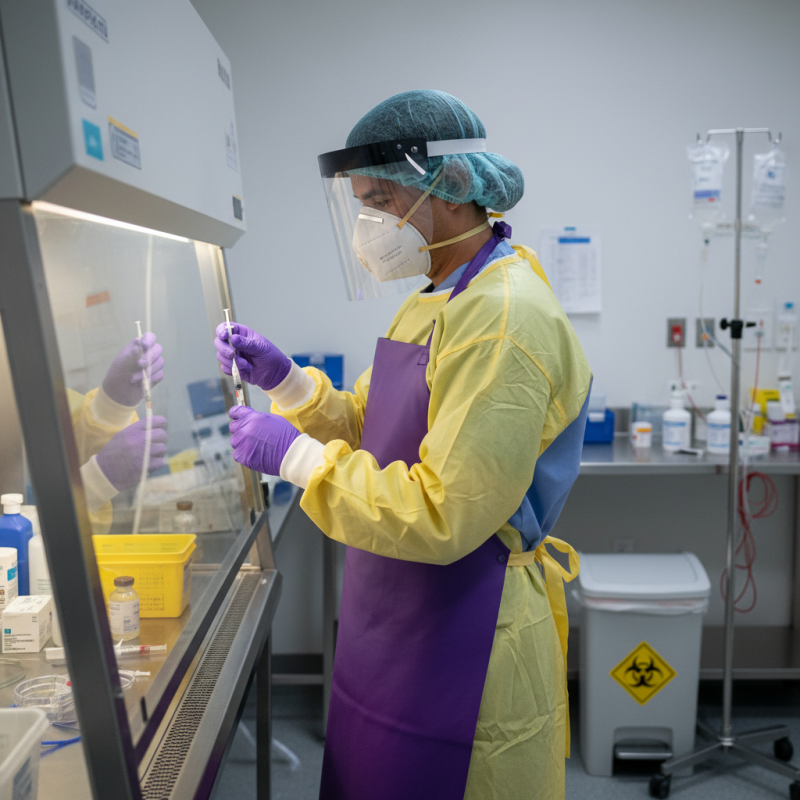
Essential Components of PPE for Chemotherapy Administration
When administering chemotherapy, proper PPE is crucial for safety. Key components include
gloves, gowns, and masks.
Each item serves a specific purpose in protecting healthcare workers.
Gloves should be made of nitrile or latex to prevent chemical exposure. Gowns must be
fluid-resistant to shield against spills. Masks help filter harmful airborne particles.
These items should fit well to ensure maximum protection.
The environment also plays a significant role. Chemotherapy preparation areas should be properly ventilated.
Ideally, the setup will allow for safe waste disposal. Regular training is necessary to keep
staff updated on safety protocols. Staff may occasionally overlook the importance of each piece of PPE.
It’s essential to double-check equipment before use.
Flexibility in PPE choice can be problematic. The right protective measures depend
on specific drugs and procedures. Sometimes, staff might feel that basic outfits are sufficient.
Relying solely on experience can lead to dangerous oversights.
Constant vigilance is crucial in this line of work.
Regulatory Standards for Chemotherapy PPE in Healthcare Facilities
When administering chemotherapy, personal protective equipment (PPE) is crucial for safety. Regulatory standards ensure that healthcare facilities provide adequate protection for staff. These standards specify the types of PPE needed, such as gowns, gloves, and masks. Each item serves a distinct purpose, ensuring minimal exposure to hazardous chemicals.
In practice, compliance can sometimes falter. Some facilities may overlook certain regulations due to cost or availability. The quality of PPE can vary, leading to potential risks. Staff training on proper usage also remains inconsistent. It is surprising how many healthcare workers may not follow guidelines perfectly. Each time a mistake occurs, the stakes get higher. Proper PPE usage is vital for both patient and staff safety. Regular audits could improve adherence to established standards.
Monitoring compliance is an ongoing challenge. Frequent assessments can help identify gaps. Facilities often find it hard to keep up with changing regulations. Investing in better PPE and training is essential. Improvements can be gradual, but they need to start now. Every decision affects health outcomes significantly. Facilities must commit to a culture of safety and compliance.
Impact of Chemotherapy Agents on Healthcare Workers’ Safety
Chemotherapy administration poses significant risks to healthcare workers. Various studies highlight the dangers associated with handling potent chemotherapy agents. According to the National Institute for Occupational Safety and Health (NIOSH), exposure to these agents can lead to long-term health issues, including reproductive problems and cancer. This data raises critical concerns about worker safety.
Personal protective equipment (PPE) is essential in mitigating these risks. NIOSH recommends gloves, gowns, masks, and eye protection as part of an effective safety protocol. A study by the American Society of Clinical Oncology found that nearly 30% of healthcare workers reported chemotherapy exposure. This worrying statistic emphasizes the necessity of proper PPE.
Despite the guidelines, not all institutions enforce strict PPE usage. Many healthcare workers might lack adequate training on the dangers of exposure. In some cases, PPE is outdated or improperly fitted, which undermines its protective capacity. Regular refresher courses and equipment audits are crucial. Only through consistent education and investment in PPE can we hope to protect those on the front lines of chemotherapy administration.
Essential PPE for Chemotherapy Administration
| PPE Item |
Purpose |
Recommended Standards |
Usage Frequency |
Notes |
| Chemical-Resistant Gloves |
Protect hands from hazardous agents |
ASTM D6978 |
Daily |
Change after each patient |
| Protective Gowns |
Prevent skin contact with chemotherapy drugs |
AAMI Level 4 |
As needed |
Single-use recommended |
| Safety Glasses |
Protect eyes from splashes |
ANSI Z87.1 |
Daily |
Use with face shields for extra protection |
| Respirators |
Filter airborne particles |
N95 or higher |
As needed |
Ensure proper fit testing |
| Foot Covers |
Protect feet from spill risks |
ASTM F1671 |
As needed |
Single-use recommended |
Best Practices for Utilizing Personal Protective Equipment in Chemotherapy
Personal Protective Equipment (PPE) plays a crucial role in chemotherapy administration. Healthcare professionals often face exposure to hazardous drugs. According to the National Institute for Occupational Safety and Health (NIOSH), approximately 8 million healthcare workers handle these substances each year. Proper PPE usage helps minimize risks.
Gloves, gowns, and masks are essential. Glove types matter. Chemotherapy gloves should meet ASTM protocols for permeability. Yet, many professionals overlook this detail. A study published in the Journal of Occupational and Environmental Hygiene found that 20% of practitioners used substandard gloves. This could have serious repercussions.
Training on PPE usage is vital. Many workers feel unprepared. One survey indicated that nearly 50% of healthcare workers lacked adequate training. They may not fully understand how to wear, remove, or dispose of PPE correctly. This gap in knowledge highlights the need for better practices. Continuous education can enhance safety and compliance.
Essential PPE for Chemotherapy Administration
Training and Compliance for Effective Use of Chemotherapy PPE
Effective training in PPE usage is crucial for healthcare workers involved in chemotherapy administration. According to a report by the National Institute for Occupational Safety and Health (NIOSH), approximately 20-30% of healthcare workers are exposed to hazardous drugs. This stark statistic highlights the need for comprehensive training. Without proper training, workers may misuse or overlook essential PPE, resulting in serious health risks.
PPE compliance is not just about wearing gear. Proper donning and doffing techniques are critical. A study from the Occupational Safety and Health Administration (OSHA) shows that improper removal of PPE can lead to contamination. Regular training sessions, utilizing simulations and hands-on practice, are essential. They ensure that staff understand the importance of each item in their protective gear. Approximately 40% of workers reported feeling unprepared when it comes to emergency situations due to insufficient training.
Additionally, maintaining an environment where questions are encouraged can help identify gaps in knowledge. Interactive workshops can address common concerns. They can clarify doubts and reinforce correct practices. These small shifts in training culture can significantly elevate safety standards. Engaging in periodic assessments is necessary too, as they help to monitor compliance and identify areas needing improvement. Proper training not only protects healthcare workers but also enhances patient safety significantly.
FAQS
: PPE protects healthcare workers from chemical exposure during chemotherapy.
Key components include gloves, gowns, and masks for specific protection.
Well-fitting PPE ensures maximum protection against hazards during use.
Proper ventilation and waste disposal are crucial for safe chemotherapy preparation.
Cost and availability may lead to overlooked regulations and safety risks.
Regular training is necessary for staff to stay updated on safety protocols.
Mistakes can increase risks to both patient and staff safety during chemotherapy.
Regular audits and continuous assessments can help identify compliance gaps.
Inconsistent quality increases potential exposure to hazardous chemicals.
Continuous evaluation helps ensure adherence to safety regulations and improves health outcomes.
Conclusion
The article "Essential PPE for Chemotherapy Administration at Canton Fair 139" provides a comprehensive overview of the critical personal protective equipment (PPE) required for safely administering chemotherapy. It outlines the essential components of PPE, highlighting the importance of items such as gloves, gowns, and face shields to protect healthcare workers from the hazardous effects of chemotherapy agents. Regulatory standards governing these safety measures in healthcare facilities are also discussed, ensuring compliance with established guidelines.
Furthermore, the article addresses the impact of chemotherapy agents on healthcare workers' safety and emphasizes best practices for effectively utilizing PPE in this high-risk environment. Training and compliance are crucial elements covered, ensuring that staff are well-equipped to use PPE correctly. As a key takeaway, the article directly answers the question, "Which PPE is required for chemotherapy administration," underscoring the necessity of proper equipment to safeguard healthcare providers during their critical roles.
 Bloc Medical
