Bloc Medical
Choosing the right surgical gown is crucial for healthcare professionals. The choice significantly affects patient safety and surgical outcomes. In the U.S., the surgical apparel market is projected to reach $11 billion by 2025, reflecting its importance. This highlights the need for informed decisions regarding gown levels.
When considering "how to choose between Level 3 and Level 4 surgical gowns," understanding their differences is key. Level 3 gowns offer moderate protection, ideal for low to moderate risk environments. Conversely, Level 4 gowns provide high-level protection against blood and other fluids. According to the AORN, using the appropriate gown can reduce infection rates significantly.
However, choosing the right gown might not be straightforward. Many facilities may underestimate the risks associated with inadequate protection. A gown that is too low in protection can lead to serious complications. It is essential to assess specific surgical environments and individual needs. Balancing comfort, breathability, and barrier protection can be challenging. Therefore, thorough consideration of both gown levels is necessary for optimal outcomes.
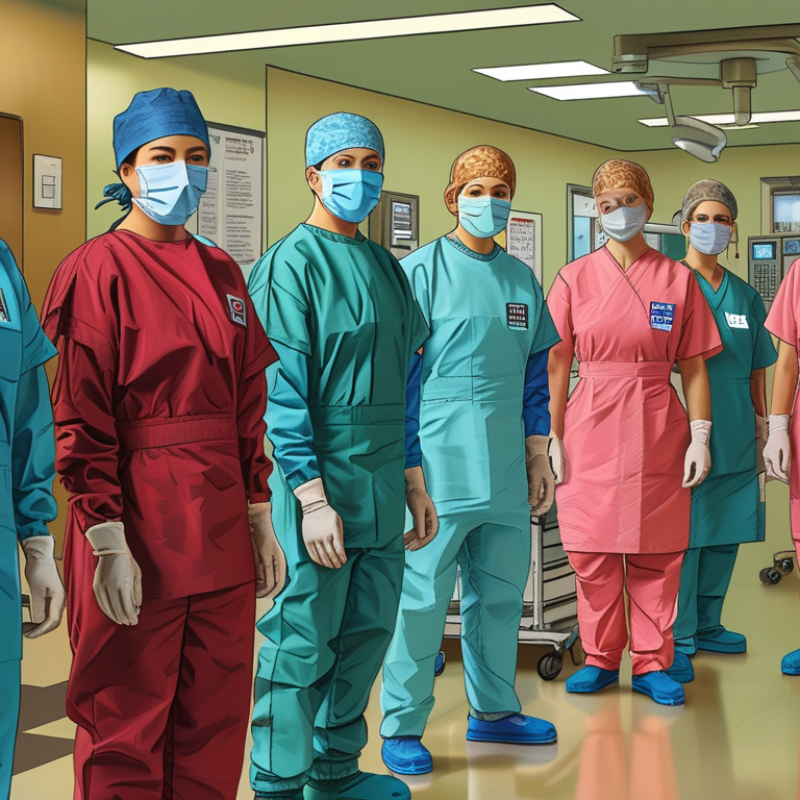
Surgical gowns play a critical role in protecting healthcare providers and patients. Understanding the differences between Level 3 and Level 4 gowns is vital. Level 3 gowns offer moderate barrier protection. They are suitable for procedures with low to moderate levels of fluid exposure. According to the Association for the Advancement of Medical Instrumentation (AAMI), Level 3 gowns are tested against blood and bodily fluids at pressure levels below 50 mmHg.
In contrast, Level 4 gowns provide a higher level of protection. They are used in high-risk environments where significant fluid exposure is common. These gowns withstand higher pressure levels, up to 50 mmHg or more. AAMI research indicates that Level 4 gowns are essential in surgeries that may have heavy bleeding risks. It’s crucial to consider the specific medical procedures and potential exposure to contaminants when selecting gowns.
However, not all gowns fit perfectly in their categories. Variances in manufacturing can lead to inconsistencies in protection levels. Some Level 4 gowns may not always perform as expected under extreme conditions. Therefore, careful evaluation of gown performance based on manufacturer testing is essential. Review data from credible reports to ensure the gowns meet safety standards for your particular needs.
When selecting surgical gowns, material and coverage are critical factors. Surgical gowns come in different materials, each offering varying levels of protection. For instance, gowns made of polyester or a blend of fabrics can provide excellent barrier properties. However, they may lack breathability. Consider the type of procedure when choosing the material. High-risk surgeries often require gowns that resist fluids effectively.
Coverage is equally important. Level 3 gowns offer moderate protection, suitable for procedures with minimal fluid exposure. In contrast, Level 4 gowns ensure high fluid resistance, essential for more invasive surgeries. Think about the body areas that need coverage. Some gowns cover the arms fully while others may leave them exposed. Ensure that the gown fits well and meets safety standards.
The right gown should balance comfort and protection. Some gowns feel restricting, while others may not cover adequately. It’s essential to assess the gown's fit before making a decision. Remember that a gown that fulfills safety criteria might still feel uncomfortable during long procedures. It’s vital to pay attention to these details to ensure choosing the ideal surgical gown for diverse needs.
When selecting surgical gowns, understanding the ANSI/AAMI standards is crucial. These guidelines define the protection levels necessary for various surgical environments. Level 3 and Level 4 gowns serve different needs.
Level 3 provides moderate barrier protection, suitable for procedures with low to moderate risk of fluid exposure. It often features a soft, breathable material. This makes it comfortable for extended wear. However, it may not offer the highest level of protection.
In contrast, Level 4 gowns are designed for high-risk situations. They provide a complete barrier against blood and other fluids. The materials used are impermeable, ensuring maximum safety. Healthcare professionals often wear these during major surgeries. However, the increased protection comes with limited breathability. This can lead to discomfort during long procedures. Assessing your specific needs is vital. Consider the procedure type and duration. Choosing between Level 3 and Level 4 is not always clear-cut. Factors like clinician comfort and safety protocols play a significant role in this decision. Engaging with experienced professionals and seeking their insights can also aid in making an informed choice.
Choosing between Level 3 and Level 4 surgical gowns is crucial for patient safety. The level of protection directly impacts infection control outcomes. Level 3 gowns provide moderate barrier protection, suitable for procedures with low to moderate risk of exposure. On the other hand, Level 4 gowns offer the highest level of protection against blood and body fluids, ideal for high-risk surgeries.
Tips: Assess the procedure type before selection. Consider the potential risks involved. Consult with infection control professionals to determine the appropriate gown level. Be aware that not all gowns perform equally in real-world scenarios.
Making an informed choice requires understanding how gown material and design influence infection control. Studies have shown that gowns with effective barrier properties result in lower infection rates. However, there's also room for improvement. Sometimes, surgical teams overlook proper gowning techniques, compromising protection. Not all surgical environments prioritize gown safety. Continuous evaluation and training can help address these gaps in practice.
Choosing between Level 3 and Level 4 surgical gowns can impact healthcare costs significantly. Level 3 gowns typically offer adequate protection for many surgical procedures. They are designed to withstand moderate levels of fluid exposure, making them suitable for various situations. However, healthcare providers might overlook the added benefits of Level 4 gowns. These gowns provide a higher barrier, crucial in more invasive procedures or during outbreaks.
Cost-effectiveness is a key consideration. While Level 4 gowns may be pricier, they reduce the risk of cross-contamination. This can lead to fewer infections and ultimately lower costs related to patient care. Investing in Level 4 gowns might seem excessive initially, but the long-term savings could justify the expense. Hospitals need to assess their specific needs and risk levels carefully.
It's essential to evaluate how gown choices fit into overall surgical protocols. Staff feedback is valuable. If gowns are uncomfortable, compliance may drop. High-level protection won't matter if the staff avoids wearing them. Regular training on the importance of gown selection and its implications for patient safety is necessary. Balancing cost, comfort, and protection is a complex but critical task for all healthcare facilities.
| Feature | Level 3 Surgical Gowns | Level 4 Surgical Gowns |
|---|---|---|
| Fluid Resistance | Moderate protection, suitable for most surgical procedures | High protection, recommended for high-risk procedures |
| Breathability | Good breathability | Moderate breathability, for longer use |
| Typical Uses | General surgeries and procedures | High-risk surgeries, trauma care |
| Cost per unit | $5 - $10 | $10 - $15 |
| Overall Value | Cost-effective for standard procedures | Justified for high-risk environments |
NSI/AAMI standards for surgical gowns?
Level 3 gowns provide moderate barrier protection, while Level 4 gowns offer complete barriers against fluids for high-risk situations.
Level 3 gowns are suitable for procedures with low to moderate risk of fluid exposure.
Level 4 gowns provide maximum safety against blood and fluids, ideal for major surgeries and high-risk procedures.
No, Level 4 gowns can limit breathability, which may lead to discomfort during extended procedures.
The chosen gown level directly affects infection rates; higher protection often leads to better infection control.
Consider the procedure type, duration, potential risks, and clinician comfort when selecting a gown.
No, not all gowns perform the same; proper gowning techniques and environment also significantly impact effectiveness.
Level 3 gowns are cheaper, but Level 4 gowns may reduce future patient care costs due to lower infection rates.
If gowns are uncomfortable, staff compliance may drop, compromising patient safety regardless of gown protection levels.
When considering how to choose between Level 3 and Level 4 surgical gowns, it is essential to understand the differences in protection offered by each level. Level 3 gowns provide moderate protection against fluid penetration, making them suitable for many surgical procedures, while Level 4 gowns offer a higher barrier against fluids and are ideal for high-risk surgeries. Key factors to consider include the material used in the gowns and the extent of coverage they provide, which significantly impacts both comfort and safety.
Additionally, assessing protection levels in accordance with ANSI/AAMI standards is crucial for ensuring optimal infection control outcomes. Analyzing the cost-effectiveness of Level 3 versus Level 4 gowns in practice can also aid decision-making, as it helps healthcare facilities balance budget constraints with the necessity of adequate protection to safeguard both patients and medical staff during surgical procedures.
