 Bloc Medical
Bloc Medical
Bloc Medical
Choosing between a face shield and safety goggles is not a simple matter of comfort. The right option depends on the hazard, task, and level of exposure. When should I use a face shield instead of safety goggles? This question matters in workshops, laboratories, healthcare areas, and industrial sites.
A face shield is useful when hazards may reach the entire face. Examples include chemical splashes, flying chips, hot particles, and intense radiant heat. It can protect the cheeks, nose, and mouth more effectively than goggles alone. However, a face shield usually works best with properly rated safety goggles underneath. It is not automatically a replacement for primary eye protection.
Dr. John D. Meyer, an occupational eye-safety specialist, explains: “A face shield adds coverage, but it does not replace properly fitted eye protection.” That principle is easy to overlook. I have seen workers lift shields because they fogged, then continue working near sparks. That is a real failure in practical safety planning.
The selection process should consider impact resistance, chemical compatibility, visibility, ventilation, and fit. A grinding task may require goggles beneath an impact-rated shield. A splash hazard may demand sealed goggles and a compatible full-face shield. Some high-energy tasks require specialized protection and formal hazard assessment.
The choice is not always neat. Face shape, prescription eyewear, humidity, and work position can change performance. A shield that looks strong may still leave gaps. This guide examines the warning signs, correct combinations, and everyday mistakes that influence safer face protection decisions.
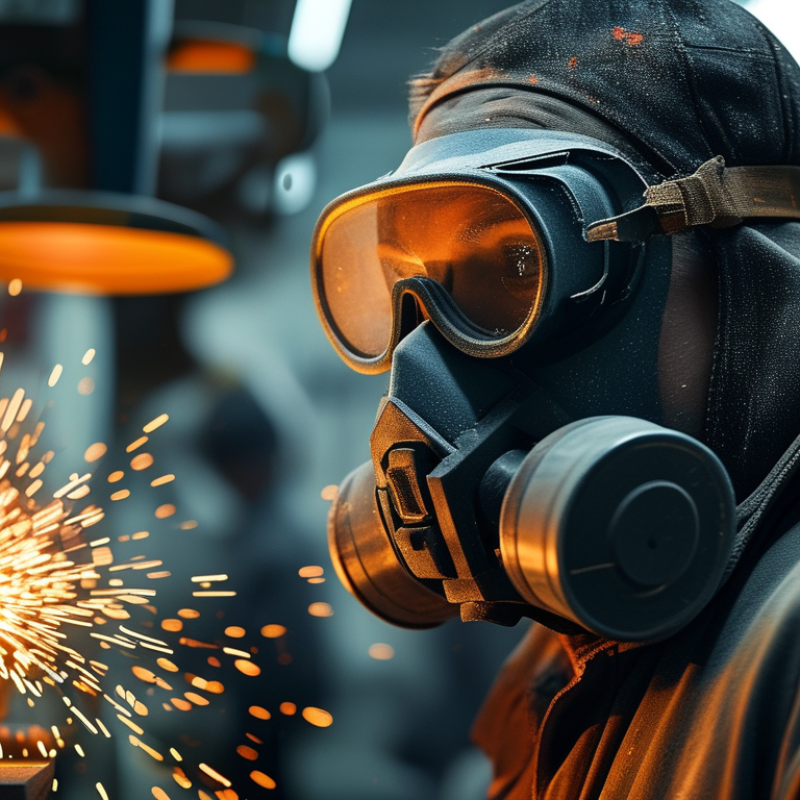
Choosing a face shield starts with the hazard, not the shape of the visor. A shield protects the face from splashes, sparks, dust, and flying fragments. It does not seal around the eyes. Fine droplets can still travel behind it. For liquid chemicals, pair the shield with properly fitted goggles and check the product’s resistance information. I have seen clear shields fog during rushed tasks. Visibility then becomes a safety issue, not a minor inconvenience.
Identify the energy and direction of the hazard. Grinding may send sharp particles toward the cheeks and forehead. Cutting heated material can add radiant heat and sparks. A shield rated for impact may not handle intense heat, ultraviolet radiation, or chemical exposure. Those hazards need specific protection, sometimes with a tinted or heat-resistant visor. Read the markings and instructions before work begins. Do not assume a thicker screen is safer. It may be heavier, harder to adjust, and easier to remove.
Work conditions matter too. Check whether the shield fits over goggles, leaves room for a respirator, and stays stable when you bend. Inspect the lens for scratches, clouding, cracks, or loose fasteners. Replace damaged parts immediately. In a noisy workshop, ask another trained worker to observe your setup. I once treated comfort as a minor detail; that judgment was wrong. A hot, fogged, poorly balanced shield can encourage unsafe shortcuts. Hazard review should include the task, nearby workers, cleanup, and what happens if the shield is lifted.
| Workplace Hazard | Primary Exposure Risk | Are Safety Goggles Usually Sufficient? | When a Face Shield Is Preferred | Recommended Protection | Selection Considerations |
|---|---|---|---|---|---|
| Chemical splashes | Liquids may contact the eyes, nose, mouth, cheeks, and other facial skin. | No, not by themselves. | A shield provides additional coverage for the face and neck area against splashes from the front. | Chemical splash goggles plus a face shield | Select materials compatible with the specific chemical. The shield should not replace sealed eye protection where liquid can enter around the eyes. |
| Pressurized liquid release | A hose, pipe, nozzle, or container failure can create high-velocity droplets across the face. | Limited protection. | The larger coverage area helps protect facial skin from direct spray and splash. | Impact-rated goggles plus a face shield | Control pressure and isolate the source first. Use a shield designed for the anticipated impact and splash conditions. |
| Flying chips and fragments | Particles from cutting, grinding, drilling, or machining may strike the eyes and face. | Sometimes, for eye-only exposure. | Use a shield when fragments may hit the cheeks, mouth, or other exposed facial areas. | Impact-rated safety goggles plus an impact-rated face shield | The shield is secondary protection and should not be used as the only eye protection against high-speed particles. |
| Grinding and abrasive-wheel work | High-speed sparks, abrasive particles, and wheel fragments can be projected toward the operator. | Not usually as the sole protection. | A shield adds facial coverage against sparks and larger particles. | Impact-rated goggles plus a face shield | Inspect abrasive wheels, use guards, and follow the tool manufacturer’s operating requirements. Choose the correct impact rating. |
| Welding, cutting, and brazing | Ultraviolet and infrared radiation, intense visible light, sparks, and molten metal may cause eye or facial injury. | No, unless specifically designed and rated for the process. | A welding helmet or properly rated welding face shield protects the face and eyes from radiation, sparks, and spatter. | Process-specific welding helmet or welding face shield | Choose the correct lens shade for the process and current. A clear general-purpose shield is not adequate for welding radiation. |
| Molten metal or hot material splash | Hot liquid or glowing particles can cause severe burns to the eyes and facial skin. | No, not by themselves. | A heat-resistant, process-rated shield can cover more of the face and reduce direct splash exposure. | Suitable safety eyewear plus a heat- and impact-rated face shield | Verify temperature, splash, and impact performance. Use additional protective clothing where body exposure is possible. |
| Biological fluids and infectious droplets | Splashes or droplets may reach the eyes, nose, and mouth during patient care, laboratory, or cleanup tasks. | May protect the eyes but not the whole face. | A shield helps protect the face from frontal droplets and reduces contamination of the upper face. | Protective eyewear or goggles plus a face shield | A shield does not provide a complete seal or replace respiratory protection. Follow the task-specific infection-control assessment. |
| Dust and nuisance particles | Airborne particles may irritate or injure the eyes and may also settle on the face. | Often, for eye exposure. | Use a shield when the task creates substantial facial dust or when the worker needs additional facial coverage. | Appropriate safety eyewear, with a face shield when needed | Use ventilation and suitable respiratory protection when airborne concentrations may exceed occupational exposure limits. |
| Arc flash or electrical arc | Thermal energy, molten metal, pressure, and intense light can affect the face and eyes. | No, not as the only protection. | A properly rated arc-flash face shield or hood provides broader facial coverage than standard goggles. | Arc-rated face shield or hood, with compatible eye protection | Use an electrical hazard assessment and select equipment with the required arc rating. Follow applicable electrical safety procedures. |
| Laser radiation | Direct, reflected, or scattered laser energy can cause serious eye injury and may affect exposed skin. | Only if specifically rated for the laser. | A general face shield is not a substitute for laser protection; a specialized laser-rated shield may be required for facial exposure. | Laser-rated eyewear or face protection matched to the wavelength and power | Never rely on a clear shield for laser protection. Assess wavelength, optical density, beam path, and reflection hazards. |
| High-temperature radiant heat | Radiant heat and hot surfaces can burn facial skin and damage unprotected eyes. | Usually insufficient for facial skin. | A heat-reflective or heat-rated shield can reduce radiant heat exposure to the face. | Heat-rated eye protection plus a heat-rated face shield | Confirm the shield’s heat and radiant-energy performance. Increase distance and use barriers whenever feasible. |
| Unknown or mixed hazards | Several hazards may occur simultaneously, such as splash, impact, dust, heat, or radiation. | Not without a documented hazard assessment. | A shield may provide additional coverage, but it must match the highest-risk exposure. | Layered protection selected through a job hazard assessment | Identify each hazard separately. Do not assume that one shield protects against chemicals, impact, heat, and radiation at the same time. |
: Choose one when flying particles, splashes, sparks, or debris may reach your face. Your workplace hazards should guide the choice. Appearance is not enough.
Not always. A face shield may not seal around your eyes. Goggles may still be needed for fine dust, strong splashes, or side exposure.
Check coverage, material, impact resistance, fit, and visibility. Choose splash-resistant protection for liquid hazards. Consider UV protection outdoors. A clear visor often suits general workshop tasks.
Choose a design with suitable ventilation and anti-fog treatment. Adjust the headband firmly without creating pressure. Test breathing and visibility with other protective equipment. A wide shield can still fog.
Look for cracks, deep scratches, cloudiness, warped edges, and loose headgear. Check the visor before every shift. Even careful workers miss small scratches.
Use mild soap, clean water, and a soft cloth. Avoid abrasive towels, harsh solvents, and unapproved disinfectants. Store it away from tools and direct heat. Small mistakes can damage clarity.
Replace it after a significant impact, even without visible damage. Replace it when vision becomes distorted or cleaning cannot restore clarity. Replace unstable frames and contaminated shields when safe cleaning is impossible.
Check its compliance markings and follow workplace risk assessments. Review the stated service life, but do not trust it blindly. Daily use may cause faster deterioration. Reflect after each task. A reliable fit matters most.
Choosing between a face shield and safety goggles begins with identifying the hazards in your work area. Goggles are designed to seal around the eyes and protect against splashes, dust, and airborne particles, while a face shield provides broader coverage for the face and neck against flying debris, liquid sprays, sparks, and impact risks. When asking, “When should I use a face shield instead of safety goggles,” the answer depends on whether the hazard could affect more than just your eyes. In many situations, wearing both offers more complete protection.
Consider coverage, fit, comfort, visibility, and compatibility with helmets, respirators, or hearing protection. Select a shield suited to the environment, such as one with impact resistance, splash protection, or enhanced optical clarity. Before use, check applicable safety standards, inspect the shield for cracks or clouding, clean it according to the manufacturer’s instructions, and replace it when it becomes damaged, difficult to see through, or no longer fits securely. Proper selection and maintenance help ensure reliable protection during daily tasks.
