Bloc Medical
In the world of personal protective equipment (PPE), proper fit is crucial. Many individuals face a common dilemma: "Why is my respirator leaking air around the nose bridge?" This issue can significantly compromise respiratory protection and user safety. According to the Occupational Safety and Health Administration (OSHA), an effective respirator must form a tight seal to prevent airborne contaminants from entering.
When a respirator leaks at the nose bridge, it can expose users to harmful particles. A report by the National Institute for Occupational Safety and Health (NIOSH) indicates that improper fitting accounts for over 50% of respirator failures. Factors such as facial hair, improper size, or incorrect adjustment can contribute to these leaks. Users often overlook these details, which can lead to serious health risks.
Understanding the reasons behind respirator leaks is essential for enhancing safety. While many people assume their respirator fits well, this is not always the case. Regular fit testing and adjustment can help address leakage. Evidently, being proactive about these matters can improve safety and ensure better health outcomes for users.
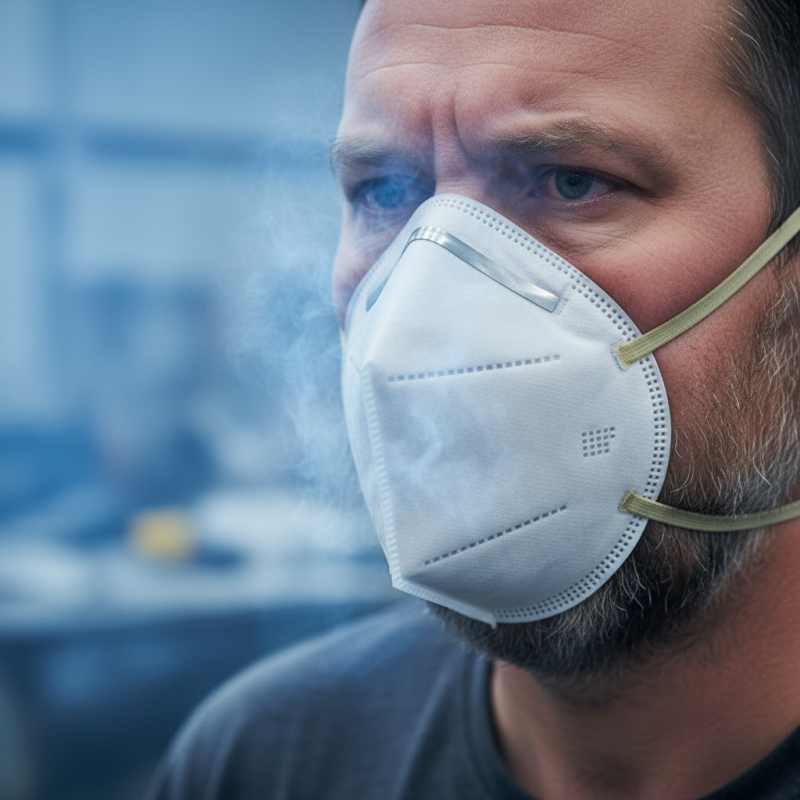
Air leaks around the nose bridge of a respirator can pose significant risks. Understanding common causes can help you address issues effectively. One frequent issue is improper fit. If the respirator is too loose or too tight, air can escape around the nose. Always check the size and adjust straps for a snug fit.
Another cause may be facial hair. Even a slight beard can disrupt the seal. Those with facial hair should consider options that provide a better fit, like specialized respirators. Ensure that the skin is clean and dry before wearing a respirator, as oils can affect the seal.
Tips: Perform a fit test every time you use the respirator. This simple check can reveal if leaks are present. Additionally, replace the respirator if it shows signs of wear or damage. Remember, a secure and well-fitting respirator is key to its effectiveness. Don't ignore the importance of proper maintenance too; regularly inspect your respirator for any damage.
Facial hair can significantly impact the fit and seal of respirators. A well-fitted respirator forms a tight seal around the face. Any gaps can lead to air leaks, diminishing the respirator’s effectiveness. Facial hair, including stubble, beards, or mustaches, disrupts this seal. Even a small amount of hair can prevent the respirator from adhering properly to the skin.
Anatomy also plays a crucial role. Each person's face is uniquely shaped, which can influence how a respirator fits. For example, a pronounced nose bridge may cause different pressure points on the respirator. If it doesn't contour well, air can escape through the gaps. Regularly checking the fit is essential, especially if facial features change over time.
To address these issues, proper fit testing is vital. This testing can reveal whether adjustments are needed. Individuals with facial hair might consider trimming or shaving for optimal fit. It's essential to evaluate both the respirator's design and its compatibility with individual anatomy for maximum protection. Understanding these factors allows for better safety in environments where respiratory protection is critical.
The integrity of a respirator is crucial for effective protection. Over time, materials can suffer from wear and tear. This degradation can significantly impair the fit and function of the respirator, leading to air leaks, particularly around the nose bridge. Factors such as exposure to moisture, chemicals, and physical stress contribute to this deterioration.
Even a small crack can alter the respirator's ability to filter particles effectively. Flexibility in the material may reduce, making it less able to conform to the face. Users often fail to notice these subtle changes until leaks occur. Regular inspections of the respirator can identify signs of wear, such as discoloration or stiffness. Users should routinely assess how well the respirator seals around their nose and mouth.
The consequences of neglected maintenance can be severe. A compromised seal leads to inhalation of harmful particles. Sometimes, it’s easy to overlook these details in a busy work environment. A moment of reflection can prevent a dangerous situation. Being proactive in checking your equipment can save lives.
Proper respirator sizing and adjustment are crucial for effective respiratory protection. A common issue is air leaking around the nose bridge. This happens when the respirator does not fit snugly. Many users overlook this aspect, focusing instead on workplace safety measures. However, if the respirator does not seal properly, exposure to harmful particles increases.
To achieve a good fit, measure your face with precision. Use adjustable straps to create a tight seal, especially around the nose. Check for gaps. A few millimeters can make a significant difference in safety. Regularly inspect and maintain the respirator. Small damages can lead to air leaks that significantly lower protection levels.
Not everyone gets the sizing right on the first try. It’s understandable to feel frustrated. Adjustments often require experimentation. Take the time to find the right type and make adjustments each time you wear it. A well-fitted respirator can prevent health risks, ensuring you stay protected in various environments.
A proper fit is crucial for respirators. Many users experience air leaks around the nose bridge. Understanding the causes of these leaks can help prevent discomfort and reduce exposure to harmful particles. One common reason for leaks is improper sizing. Check the fit of the respirator against your face. A snug fit minimizes gaps where air may escape.
Routine maintenance is essential. Regularly inspect the respirator for wear and tear. Replace filters and any damaged components as needed. Conduct a positive and negative pressure test before each use. This ensures that the respirator seals effectively against your face. Clean the respirator according to the manufacturer's recommendations. Neglecting this can lead to contamination, which impacts its performance.
Take time to adjust the nose clip correctly. It must form a tight seal without causing discomfort. If leaks persist, it may be wise to consult a safety professional for advice. Ensuring your respirator fits well protects your health. A little attention to detail can go a long way in maintaining respiratory safety.
| Reason for Leak | Impact | Maintenance Tip | Frequency of Maintenance |
|---|---|---|---|
| Incorrect Fit | Decreased filtration efficiency | Perform fit testing before use | Every use |
| Worn Out Seals | Increased exposure risk | Inspect seals regularly, replace if damaged | Monthly |
| Face Contaminants | Reduced mask effectiveness | Clean face and respirator before use | Before each use |
| Improper Storage | Degradation of materials | Store in a cool, dry place | Always |
| Wrong Size Respirator | Ineffective protection | Choose the correct size based on face measurements | Every purchase |
: Facial hair disrupts the seal of a respirator. Even small amounts can cause air leaks.
Everyone has a unique face shape. This affects how well a respirator fits and seals.
A poor fit leads to air leaks, reducing protection. Regular checks are necessary to ensure a good seal.
Over time, respirator materials can degrade. This may cause cracks and reduce filtering ability.
Users should check for signs of wear, such as stiffness and discoloration. These can indicate a compromised seal.
Measure your face accurately and use adjustable straps. Check for gaps around the nose and mouth.
Yes, many people struggle with sizing. It often takes time and patience to achieve the right fit.
Ignoring maintenance can lead to dangerous air leaks. This increases the risk of inhaling harmful particles.
Regular inspections are essential. Aim to check your respirator before each use to ensure safety.
Many overlook the importance of fit and adjustments. This can result in decreased protection during use.
Understanding "Why is my respirator leaking air around the nose bridge" is crucial for ensuring effective respiratory protection. Common causes of air leaks often include improper fit stemming from facial hair or individual anatomical differences, which can disrupt the seal at the nose bridge. Additionally, wear and tear on the material over time can significantly impact the respirator's performance, leading to air leaks.
To prevent these issues, it is essential to prioritize proper sizing and adjustment techniques when fitting a respirator. Regular maintenance, including inspections and timely replacement of worn components, can also help maintain the effectiveness of the device. By addressing these factors, users can significantly reduce the likelihood of air leakage and enhance the overall efficacy of their respirators.