Bloc Medical
Choosing an N95 respirator in 2026 requires more than trusting a familiar logo or a sealed plastic pouch. Counterfeit products may copy colors, model names, and certification language with surprising accuracy. Some look professional until you inspect the nose bridge, printed markings, or packaging seams. That is why the question “How to tell if your N95 respirator is counterfeit” deserves a careful, evidence-based answer.
A reliable check starts with the respirator itself. Look for a clear manufacturer name, model number, and approval number where applicable. Then compare those details with the official NIOSH Certified Equipment List, rather than relying on a marketplace description. Be cautious when the product has spelling errors, uneven printing, missing markings, or exaggerated claims such as “100% protection.” The straps should feel securely attached, not loose or brittle. The nose foam, if included, should sit evenly and remain firmly bonded.
Details matter.
However, appearance alone cannot prove authenticity. A genuine respirator can also fail if it is damaged, poorly stored, expired according to the manufacturer, or fitted incorrectly. Perform a user seal check every time you put it on. Air should not leak around your cheeks, nose, or chin. Facial hair can interfere with the seal. That point is easy to overlook. This guide combines manufacturer instructions, NIOSH guidance, and practical inspection habits to help readers make safer decisions. It also acknowledges an uncomfortable limitation: a careful visual check can identify warning signs, but it cannot replace verification through authoritative certification records.
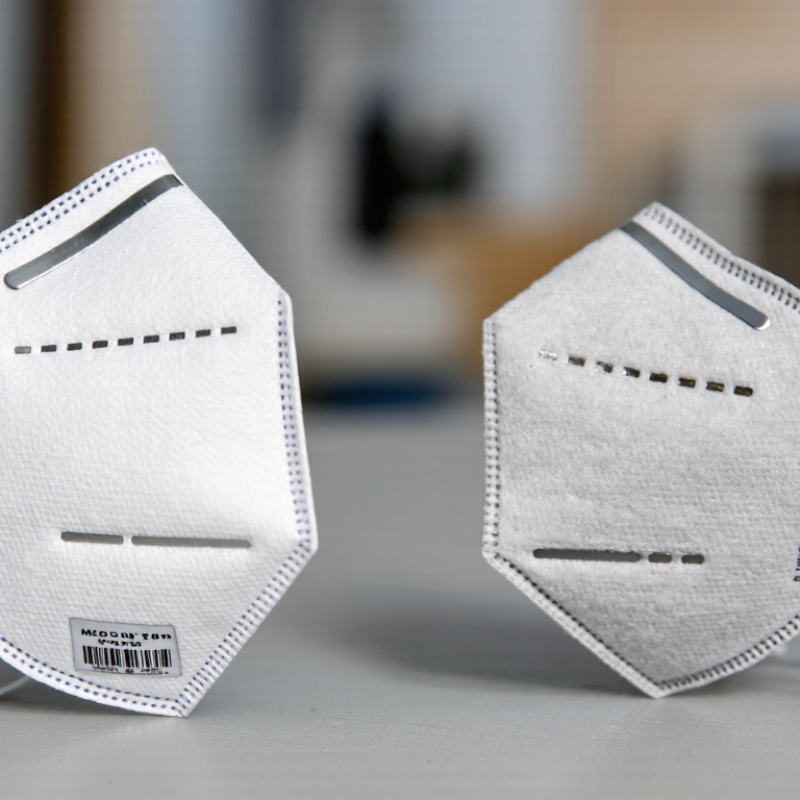
An N95 respirator is a tight-fitting filtering facepiece designed to remove at least 95 percent of airborne particles. The “N” means it is not resistant to oil-based particles. The number describes tested filtration performance, not guaranteed protection for every wearer. Fit matters.
Certification requires more than a printed label. In the United States, an approved respirator must pass laboratory tests for filtration, breathing resistance, airflow, and construction quality. Its packaging should identify the approval holder, model information, and a traceable approval number. Those details should match official certification records.
Small details can reveal problems. Check whether the straps attach firmly and stretch evenly. Examine the nosepiece, welds, and printed markings. Uneven printing is not proof of counterfeiting, but it deserves attention. A missing approval number is a stronger warning. So is packaging that makes medical promises beyond certified claims.
Do not rely on appearance alone. Certification records and a proper user seal check are more dependable. Cover the respirator and breathe in gently; it should draw inward without obvious leaks. Facial hair, movement, or a poor fit can reduce protection. I used to think a tight feeling meant a good seal. That assumption was incomplete. Comfort, correct size, and consistent fit all matter. Even a genuine certified respirator cannot protect well when air slips around its edges.
An authentic N95 begins with consistent packaging, not a glossy promise. Inspect the box for sharp printing, complete instructions, and readable warnings. The manufacturer name, model, lot number, and production details should appear clearly. Spelling errors, uneven ink, or missing information deserve attention. Minor color differences can happen between production batches. However, tidy printing is not proof.
Check the respirator itself. Its approval marking should match the information printed on the package. Compare the model, filtration class, and approval number carefully. Then search that approval number in the relevant official certification database. Do not trust a QR code alone. A copied code can lead to a convincing but unrelated webpage. The database record should match the product’s legal manufacturer and model details.
Packaging may include a sealed inner bag, but sealing alone proves little. Look for crushed boxes, reused labels, or mismatched lot numbers. The straps should feel secure, and the nosepiece should sit evenly without sharp edges. I have learned that quick visual checks can miss subtle problems. That is an uncomfortable limitation. When details conflict, pause before use and request documentation from the seller or certification authority. A genuine marking still requires a proper fit check on the wearer.
Begin with the material. Hold the mask under bright light and examine its layers. The filtering material should look even, not thin, patchy, or loosely woven. The surface should feel clean and firm. It should not shed visible fibers during normal handling. A strong chemical smell is not proof of counterfeiting, but it deserves caution. I would avoid masks with oily residue, damp packaging, or unexplained stains.
Check the shape next. The nose area should hold its form without collapsing against your face. The edges should follow the mask’s intended contours. Gaps, crooked folds, or uneven panels can signal poor construction. The nose clip should sit securely and adjust smoothly. Try a gentle user seal check after wearing it. Air should not rush around your nose, cheeks, or chin. Small leaks matter.
Inspect the construction closely. Straps should attach firmly and stretch without separating from the mask. Welded areas should appear consistent, with no large tears or loose corners. Printed approval information should be sharp, complete, and consistent with official records. Do not rely on appearance alone. Counterfeit products can look surprisingly convincing. I sometimes judge a mask too quickly by its packaging, and that is a mistake. Material quality, shape, construction, and verified information must be considered together.
A claimed NIOSH approval number is not proof by itself. Enter the complete number into NIOSH’s Certified Equipment List, including the “TC-84A” prefix. The listing should match the manufacturer, respirator model, cup or fold design, and approval status. NIOSH certification requires an N95 respirator to filter at least 95% of test particles at the required flow rate, according to 42 CFR Part 84 and NIOSH Standard Testing Procedures.
Check the printed label carefully. The approval number should appear on the respirator, not only on its packaging. Compare every character with the Certified Equipment List. One missing letter matters. Also check the user instructions, private-label details, and approval holder information. NIOSH’s searchable database provides the strongest verification because it connects the number to an approved product configuration. A seller’s certificate, laboratory sheet, or marketplace photograph cannot replace that record.
The CDC and NIOSH counterfeit-respirator guidance warns that packaging, logos, and filtration claims can be copied easily. A 2021 Government Accountability Office review also documented widespread counterfeit and substandard personal protective equipment concerns during the pandemic response. Do not rely on appearance alone. I have found that rushed checks create false confidence. If the number returns no result, shows a different model, or lists a revoked approval, stop using that claim and investigate further. Fresh packaging can still hide an old mistake.
When an N95 shows signs of counterfeiting, treat it as unverified, not merely unattractive. Stop using it for dust, smoke, or infectious aerosols. Move away from the hazard if possible. Crooked printing, missing approval markings, spelling errors, loose straps, or an unusual smell deserve caution. One detail is not proof. Damaged packaging or a legitimate production change can look similar. That distinction matters.
Keep the respirator and packaging together. Photograph the box, labels, lot information, and approval number. Compare these details with an official certification database or standards authority. Contact the seller in writing and request traceable product information. Do not rely only on marketplace reviews. In a workplace, ask a safety officer or trained respirator professional to inspect it. I sometimes trust a familiar-looking box too quickly. That is a weak habit, not evidence.
Until verification is complete, use a known genuine respirator from sealed packaging. Check the straps and nose area before wearing it. Perform a seal check every time. Do not wash, cut, staple, or glue the suspect mask. Those changes can damage filtration or fit. If you may have inhaled hazardous material, leave the area and seek qualified medical advice, especially after breathing difficulty, dizziness, or chest discomfort. Keep the questionable item separate from usable supplies, and report repeated concerns through the relevant seller, workplace, or public safety channel.
| Inspection Dimension | What a Genuine N95 Should Show | Possible Counterfeit Warning Signs | Recommended Action |
|---|---|---|---|
| Approval information | A U.S. N95 respirator should have the required approval-related markings, including the approval holder or manufacturer name, model or part number, and an approval number in the prescribed format. | Missing markings, inconsistent information, unusual formatting, spelling errors, or an approval number that cannot be found in the official respirator approval database. | Compare every marking with the official approval listing. Do not rely on a printed approval number alone. |
| “N95” designation | The product should be clearly identified as an N95 respirator and should match the approved model description. | The packaging says “N95,” but the respirator itself has no corresponding identification, or the product is described only as a dust mask, face covering, or general mask. | Treat the item as unverified until the product and its documentation match an official approval record. |
| Filtration claim | An approved N95 is designed to filter at least 95% of very small test particles under specified laboratory conditions. | Unusually broad claims such as “100% protection,” “blocks all viruses,” or guarantees of complete protection without explaining fit and correct use. | Remember that filtration performance does not guarantee protection if the respirator does not fit properly or is used incorrectly. |
| Straps and attachment points | Straps should be securely attached, sufficiently elastic, and able to maintain a stable seal during normal movement. | Loose straps, weak welds, uneven attachment points, straps that break easily, or ear loops on a product represented as a conventional N95 design. | Do not use a respirator with broken or unreliable straps. Keep it for evidence if a product complaint may be needed. |
| Nosepiece and seal | The nosepiece should be adjustable enough to help create a close seal across the nose and cheeks. | A missing or unusually weak nosepiece, gaps around the cheeks, air leaking toward the eyes, or a shape that cannot remain secure. | Perform a user seal check every time the respirator is put on. Facial hair or an unsuitable size can prevent an effective seal. |
| Material and construction | The respirator should have consistent layers, clean edges, and a shape that matches the approved model. | Strong chemical odor, visible adhesive, detached layers, frayed edges, inconsistent folds, stains, or construction that differs from the official product description. | Stop using the item if it is damaged, contaminated, or materially different from the approved model. |
| Packaging and labeling | Packaging should provide clear product identification, model information, lot or batch details where applicable, instructions, and consistent regulatory information. | Blurry printing, inconsistent fonts, spelling mistakes, missing instructions, altered labels, mismatched model numbers, or packaging that appears resealed. | Photograph the packaging and retain the receipt, order record, lot information, and shipping materials. |
| Seller and supply chain | A reputable seller should provide traceable product information, an itemized receipt, and a consistent return or complaint process. | Pressure to buy quickly, unusually low prices, payment requests outside normal channels, no return policy, or refusal to provide product documentation. | Pause the purchase, verify the product independently, and use established medical-supply or workplace-safety purchasing channels when possible. |
| Fit and user seal check | The respirator should sit securely over the nose and under the chin without obvious gaps. A user seal check should be completed each time it is worn. | Air escapes around the edges, the respirator shifts while speaking, or the user cannot obtain a seal despite correct positioning. | Adjust the nosepiece and straps. If a seal still cannot be achieved, use a verified alternative and seek a formal fit test when workplace protection is required. |
| Signs of use or damage | A respirator should be clean, dry, intact, and stored in a way that prevents crushing or contamination. | Wetness, dirt, makeup contamination, deformation, damaged straps, torn material, or a respirator that no longer fits as designed. | Discard damaged or contaminated respirators according to local workplace or public-health procedures. Do not repair them with tape or staples. |
| When counterfeit signs appear | A suspected counterfeit should be treated as unverified, even if it looks similar to an approved respirator. | Several warning signs appear together, or the approval information cannot be independently confirmed. | Stop distributing or relying on the product for required protection. Isolate it, document the concerns, contact the seller, and report suspected counterfeit activity to the appropriate regulatory or marketplace authority. |
| Important limitation | Visual inspection can identify warning signs, but it cannot prove filtration performance. | Assuming that appearance, smell, price, or a home “breath test” proves authenticity. | Use official approval records and documented supply-chain information. Do not attempt to verify filtration with improvised household tests. |
Look for sharp printing, complete instructions, warnings, the manufacturer, model, lot number, and production details. Spelling errors need attention.
No. A sealed bag and tidy box prove little. Check the mask markings and official certification records too.
Enter the complete number into the relevant official certification database. The model, manufacturer, design, and approval status should match.
No. A copied code may open a convincing but unrelated webpage. Search the approval number independently.
It should include a readable approval marking. Compare every character with the package and database record. One missing character matters.
Hold the mask under bright light. Avoid thin, patchy, loosely woven layers, oily residue, damp packaging, or unexplained stains.
The nose area should keep its shape. Straps should feel secure. During a seal check, air should not rush around your cheeks or chin.
Check for firm strap attachments, smooth nosepiece adjustment, even folds, and consistent welded areas. Large tears or loose corners are warning signs.
Pause before use. Request documentation from the seller or certification authority. Appearance can mislead, and rushed checks create false confidence.
No. Verified information still requires a proper fit check. Small leaks can reduce protection, even when the approval record is genuine.
This guide explains How to tell if your N95 respirator is counterfeit by examining the product from the outside in. It begins with what an N95 respirator is and why its certification requires consistent filtration performance, fit, labeling, and quality controls. Readers will learn how to review the package for clear printing, complete information, approval markings, and signs of altered or missing details. The guide also covers how to inspect the mask’s materials, shape, straps, seams, nosepiece, and overall construction for inconsistencies that may indicate a questionable product.
In addition, the article explains how to verify a claimed approval number through the appropriate official certification record and compare the listed details with the respirator and packaging. If an N95 shows unusual labeling, poor construction, inconsistent markings, or an approval number that cannot be confirmed, users should avoid relying on it for protection and seek a properly documented replacement.
